
Unlocking the Secrets of Aerospace Engineering
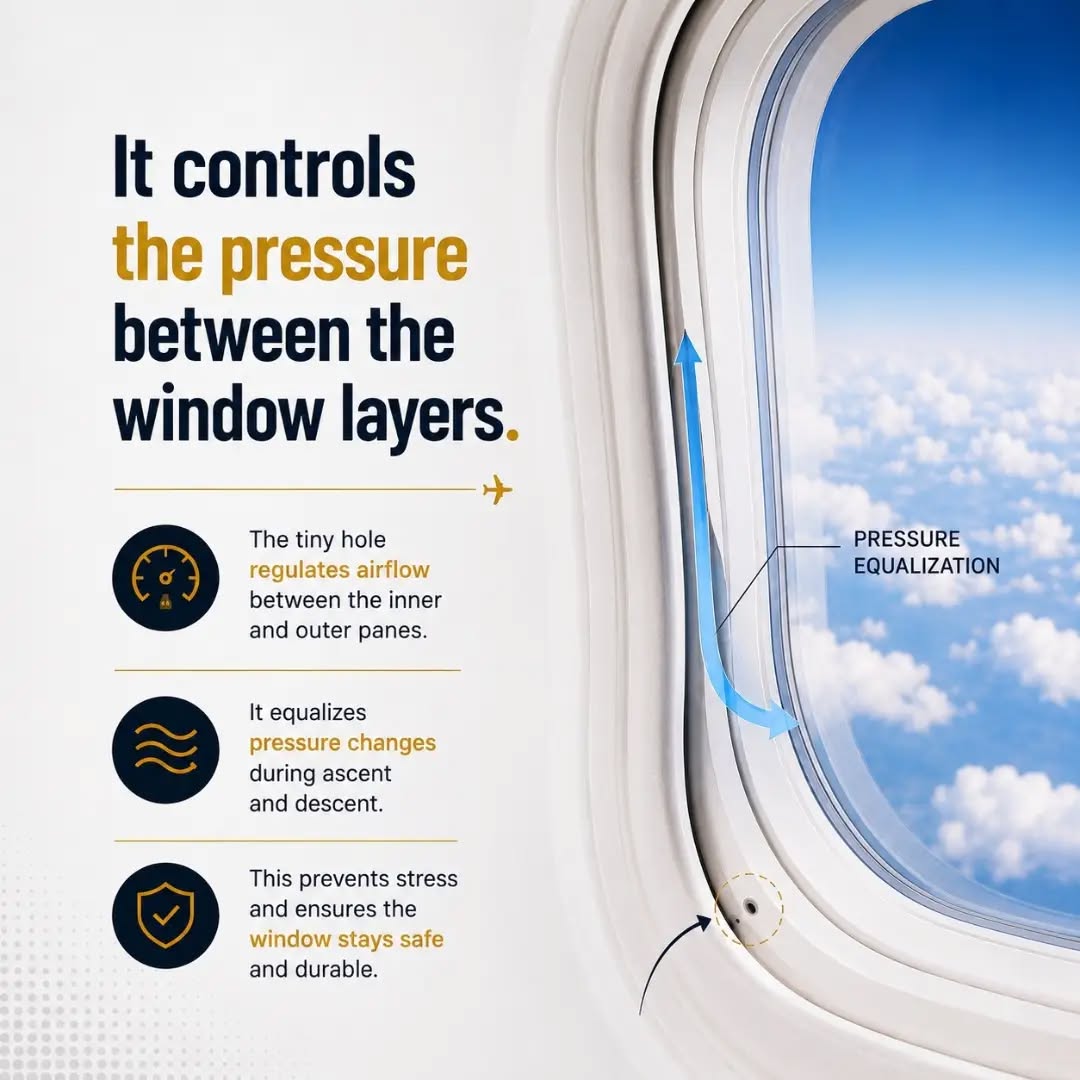
When you settle into your seat on a commercial flight, look out the window as the aircraft pushes back from the gate. If you peer closely at the multi-layered plastic panes, you will notice a tiny, unassuming hole drilled into the middle pane. To the untrained passenger, it might look like a manufacturing defect or an accidental scratch. However, at X Aviate International Aerospace, we know that every single millimeter of an aircraft is meticulously engineered for a vital purpose. That tiny aperture is actually a critical safety mechanism known as the bleed hole.
Understanding components like the bleed hole is essential for anyone embarking on pilot training or pursuing a career in aerospace engineering. Aviation is a discipline where no detail is too small, and appreciating these nuances is what separates a casual traveler from a true aviation professional.
The Anatomy of an Aircraft Window
Commercial aircraft windows do not consist of a single pane of glass; rather, they are complex assemblies crafted from multiple layers of high-strength acrylic or polycarbonate materials. Typically, a passenger cabin window features three distinct panes:
- The Outer Pane: This is the heavy-duty structural layer designed to bear the immense pressure differential between the pressurized cabin and the thin air of the cruising altitude.
- The Middle Pane: Home to our famous bleed hole, this secondary layer acts as a fail-safe. If the outer pane were ever to experience compromised structural integrity, the middle pane assumes the load-bearing responsibility.
- The Inner Pane: This is the scratch pane that passengers touch. Its primary function is to protect the middle and outer panes from physical damage, cosmetics wear, and tear caused by passengers during the flight.
How the Bleed Hole Regulates Cabin Pressure
To understand why the bleed hole exists, we must examine the physics of high-altitude flight. At a cruising altitude of 35,000 feet, the atmospheric pressure outside the aircraft is drastically lower than the pressure maintained inside the passenger cabin for human comfort. This creates a massive pressure differential that pushes outward against the aircraft fuselage and windows.
Without a mechanism to equalize pressure, the outer and middle panes would bear the brunt of this force simultaneously, creating extreme structural stress. The bleed hole acts as a valve, allowing air pressure to bleed or equalize between the passenger cabin and the air gap situated between the outer and middle panes. By ensuring that the outer pane bears the primary pressure differential while the middle pane remains protected, this ingenious design prevents catastrophic window blowouts and reduces structural fatigue.
Moisture Control and Defogging
Beyond pressure regulation, the bleed hole serves a secondary yet equally important function: moisture management. Without this tiny opening, warm, humid air from the aircraft cabin would become trapped between the window panes. As the aircraft ascends into sub-zero temperatures at high altitudes, that trapped moisture would condense and freeze, frosting over the windows and completely obstructing the view for passengers and flight crew.
The bleed hole allows air and moisture to vent out into the cabin environment, keeping the window panes crystal clear throughout takeoff, cruise, and landing. It is a brilliant intersection of thermodynamic management and structural engineering.
Learning the Fundamentals at X Aviate International Aerospace
For aspiring pilots and aviation students enrolled at X Aviate International Aerospace in Chennai, learning about aircraft systems goes far beyond the flight deck controls. Ground school curriculum dives deep into aerodynamics, meteorology, aircraft general knowledge, and structural engineering principles. When you understand how an aircraft breathes, how pressure differentials affect flight dynamics, and why minor design features exist, you build the situational awareness and confidence required to handle complex operational scenarios.
Whether you are training for your Commercial Pilot License (CPL), exploring simulator training modules, or diving into advanced aviation courses, paying attention to the fundamentals is key to building a successful career in the skies. The next time you board an airliner, take a moment to appreciate the engineering marvel right beside your seat.
Join the Future of Aviation
Are you ready to turn your passion for aviation into a professional career? At X Aviate International Aerospace, we provide comprehensive pilot training programs, expert career guidance, and state-of-the-art simulator training to help you achieve your aviation dreams. Contact us today at +91 99403 36699 or visit www.xaviate.in to take the first step toward your future in the cockpit.



Frequently Asked Questions
What is the tiny hole in an airplane window called?
It is officially known as a bleed hole or breather hole. Its primary function is to regulate air pressure between the window panes.
Does the bleed hole weaken the strength of the window?
No, the bleed hole is meticulously engineered by aerospace designers to relieve stress rather than cause it, ensuring the outer pane manages the primary cabin pressure.
Why do airplane windows have multiple panes?
Multiple panes provide redundancy and safety. If the outer structural pane is damaged, the middle pane can safely maintain cabin pressure.
How does the bleed hole prevent window fogging?
The bleed hole allows air and humidity trapped between the panes to vent into the cabin, preventing moisture from condensing and freezing on the glass at high altitudes.
How can I start pilot training with X Aviate International Aerospace?
You can start your journey by contacting X Aviate International Aerospace at +91 99403 36699 or visiting our official website at www.xaviate.in for course details.