Mastering the Mechanics of Flight: How Commercial Aircraft Stop Safely
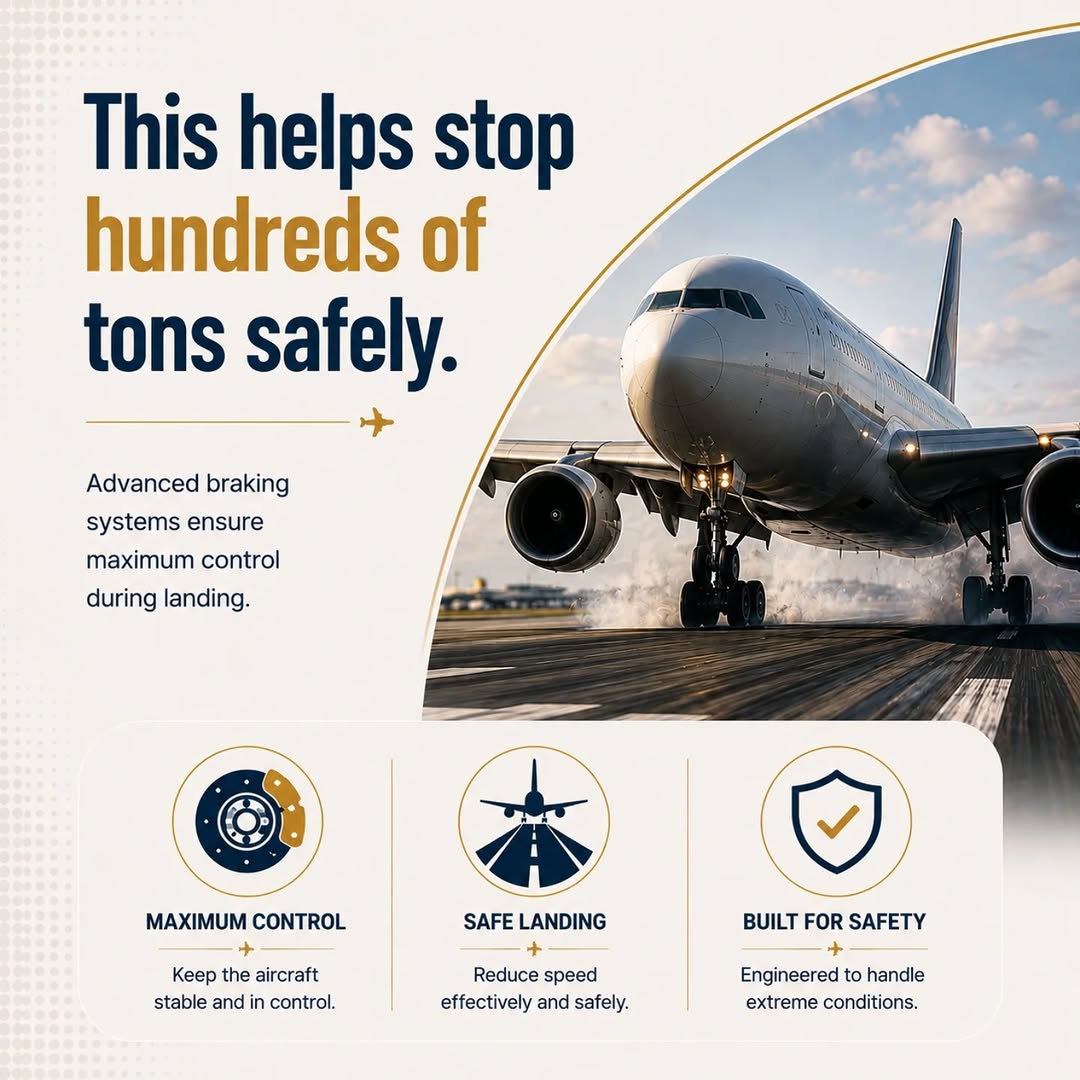
For passengers stepping off a commercial airliner, the journey concludes with a smooth touchdown on the runway followed by a swift, controlled deceleration. To the casual observer, bringing a massive aircraft weighing hundreds of tons to a complete standstill might look effortless. However, this critical phase of flight relies on a sophisticated orchestration of physics, engineering, and expert pilot training. At X Aviate International Aerospace, we believe that understanding these complex aerospace engineering concepts is fundamental for every aspiring pilot and aviation professional.
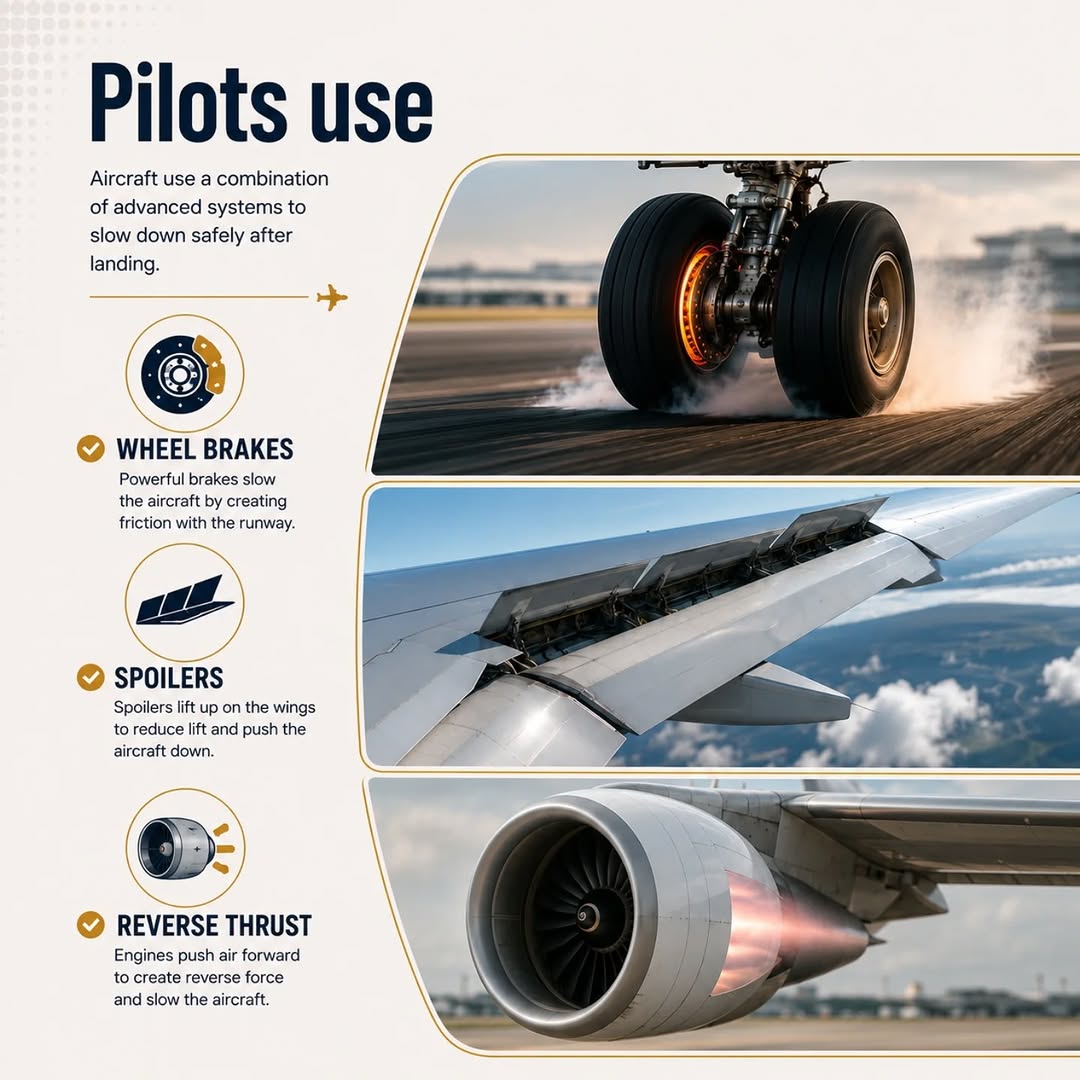
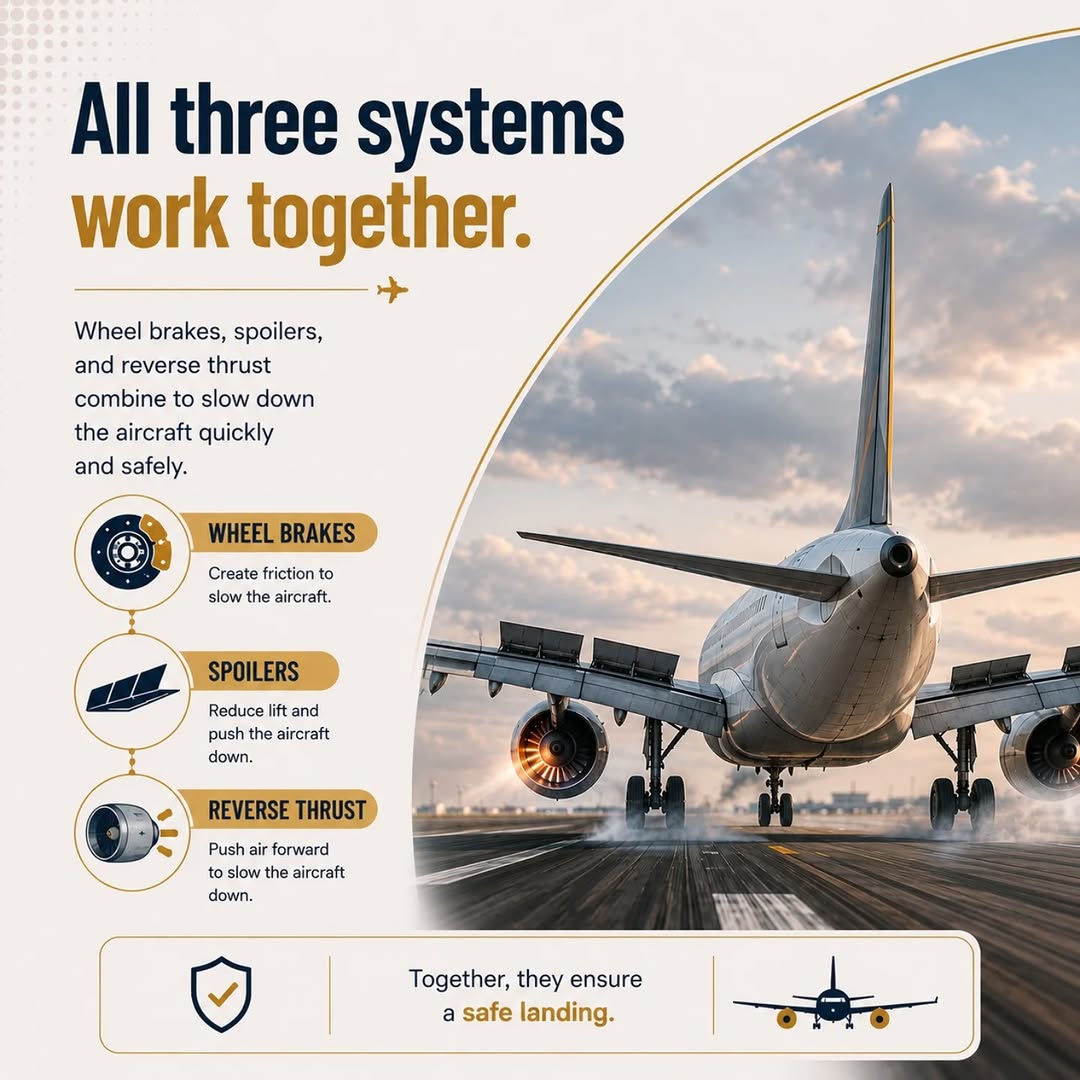
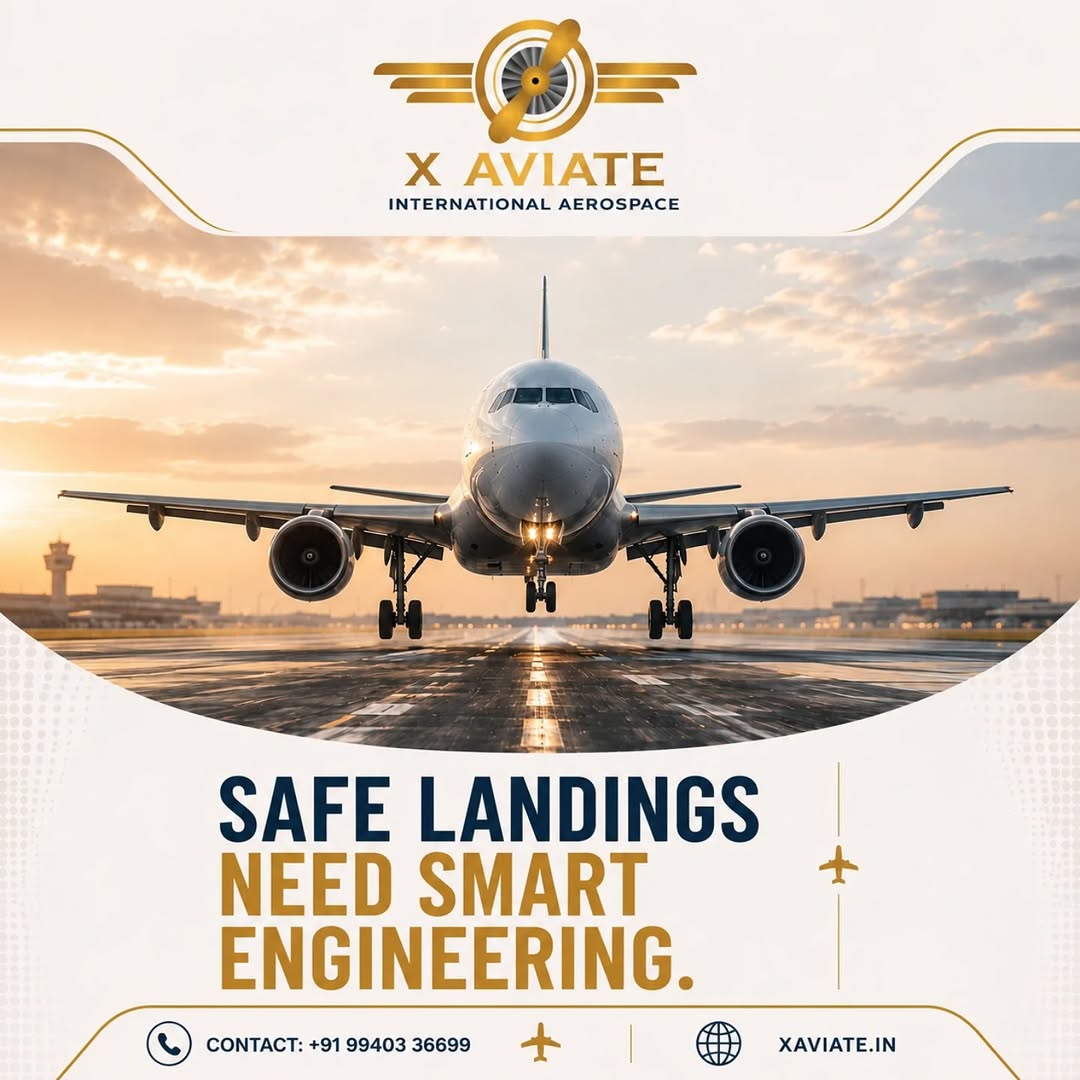
When a modern jetliner touches down at speeds exceeding 250 kilometers per hour, simply applying conventional wheel brakes is not enough. Doing so would cause catastrophic brake failure due to extreme heat generation and tyre wear. Instead, commercial aviation relies on a three-pronged deceleration system: wheel brakes, aerodynamic spoilers, and engine reverse thrust. Let us break down how these systems work in harmony to ensure safety on every single flight.
1. Aerodynamic Spoilers: Killing Lift Instantly
The moment the main landing gear compresses upon touchdown, the aircraft’s flight control computers—or the pilot manually—deploy the spoilers (often called lift dumpers). Positioned on the upper surface of the wings, these panels flip upward into the airflow.
Why is this necessary? During flight, wings are designed to generate lift to keep the aircraft airborne. Once on the ground, that same lift actually works against braking efficiency by keeping the aircraft’s weight light on its wheels, reducing the friction required for effective wheel braking. By deploying the spoilers, the wings instantly lose lift, forcing the full weight of the aircraft onto the landing gear and maximizing tire-to-runway grip.
2. Reverse Thrust: Redirecting Jet Power
Another powerful mechanism used immediately after touchdown is reverse thrust. Jet engines operate by drawing in air from the front, compressing it, mixing it with fuel, igniting it, and expelling high-energy exhaust gases backward to propel the aircraft forward.
With reverse thrust engaged—either through mechanical blocker doors or cascading vanes—the exhaust gases are redirected forward and slightly outward. This creates a braking force opposing the forward motion of the aircraft. Reverse thrust is particularly effective at high speeds immediately following touchdown, significantly reducing the burden on the mechanical wheel brakes during the initial rollout phase.
3. High-Performance Wheel Brakes and Antiskid Systems
The final and most familiar component of the stopping sequence is the wheel brakes. Modern commercial aircraft utilize multi-disk carbon brakes located inside the wheels of the main landing gear. Carbon brakes are chosen for their exceptional thermal stability and ability to absorb massive amounts of kinetic energy without warping.
Furthermore, advanced aircraft are equipped with automatic antiskid braking systems, similar to ABS in modern automobiles. These systems monitor wheel rotation speed in real time. If a wheel begins to lock up and skid on a wet or contaminated runway, the system momentarily releases hydraulic pressure to that specific wheel, maintaining optimal rolling friction and preventing tire blowouts or loss of directional control.
Preparing for Your Aviation Career with X Aviate International Aerospace
Understanding how an aircraft stops safely is just the tip of the iceberg. A successful career in aviation requires deep technical knowledge, situational awareness, and rigorous practical training. Whether you aspire to sit in the flight deck as an airline pilot or pursue technical roles in aerospace, having the right mentorship makes all the difference.
At X Aviate International Aerospace based in Chennai, we bridge the gap between textbook theory and real-world aviation operations. Our industry-focused curriculum, expert guidance, and state-of-the-art learning frameworks are designed to equip future aviation professionals with the confidence and competence needed in today’s global aerospace industry.
Are you ready to turn your passion for aviation into a rewarding career? Connect with us today to explore our comprehensive pilot training programs and aviation education courses.
Contact Us:
Phone: +91 99403 36699
Website: www.xaviate.in
Frequently Asked Questions
What are the main systems used to stop an aircraft after landing?
An aircraft stops using a combination of aerodynamic spoilers (lift dumpers), engine reverse thrust, and high-performance carbon wheel brakes with antiskid systems.
Why do aircraft use spoilers upon landing?
Spoilers disrupt the lift generated by the wings, forcing the full weight of the aircraft onto the landing gear to maximize tire grip and braking efficiency.
How does reverse thrust work?
Reverse thrust redirects the engine’s exhaust gases forward and outward, creating a braking force that slows the aircraft down, especially at high speeds right after touchdown.
What training programs does X Aviate International Aerospace offer?
X Aviate International Aerospace offers industry-focused aviation courses, pilot training programs, simulator training, and comprehensive career guidance for aspiring pilots.
How can I contact X Aviate International Aerospace in Chennai?
You can reach X Aviate International Aerospace by calling +91 99403 36699 or visiting our official website at www.xaviate.in.