
Mastering the Science of Aviation at X Aviate
Aviation is far more than just taking to the skies; it is a discipline built entirely on uncompromising precision, deep technical knowledge, and the ability to make split-second decisions under pressure. At X Aviate International Aerospace, based in Chennai, India, we believe that every great commercial pilot begins their journey by thoroughly understanding the fundamental science that keeps heavy aircraft safely airborne. Whether you are aiming for a Commercial Pilot License (CPL) or exploring various aviation courses, mastering technical concepts is the cornerstone of your professional development.
Crucial Concepts Every Aspiring Pilot Must Know
When you step onto the flight deck, every dial, sensor, and marker has a critical purpose. Aspiring pilots and aviation students must familiarize themselves with the technical terminology and operational physics that govern every phase of flight.
1. V1 Speed: The Point of No Return
One of the most vital calculations made prior to any takeoff roll is determining V1 speed, often referred to as the decision speed. Up until the aircraft reaches V1, the pilot in command can safely abort the takeoff and bring the aircraft to a stop on the remaining runway if an emergency occurs. However, the exact moment the aircraft crosses the V1 threshold, the takeoff becomes entirely irreversible. If an engine failure or critical warning happens after V1, the pilot must continue the rotation, become airborne, and handle the emergency in flight. Understanding this balance of physics and timing is a core component of our rigorous ground school curriculum.
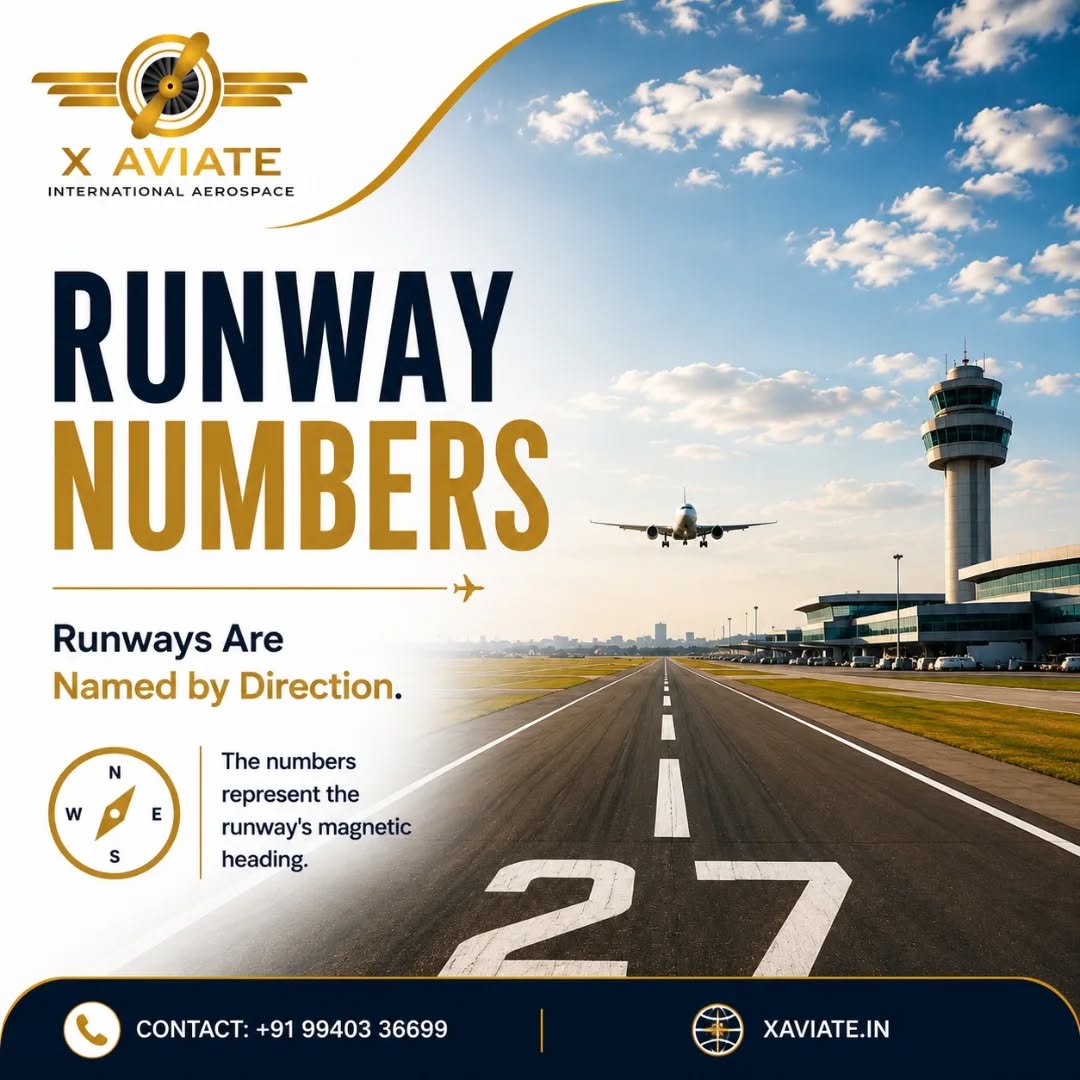
2. Runway Numbers: The Magnetic Orientation
To the untrained eye, the large numbers painted at the threshold of every runway might look random. In reality, runway numbers represent the magnetic azimuth of the runway heading rounded to the nearest ten degrees, with the final zero dropped. For example, a runway pointing almost directly North (360 degrees) is designated as Runway 36. Because these numbers are tied to magnetic north, airports occasionally repaint their runways as the Earth’s magnetic poles slowly shift over decades. This precision ensures that air traffic controllers and pilots can communicate clearly and navigate safely during low-visibility approaches.
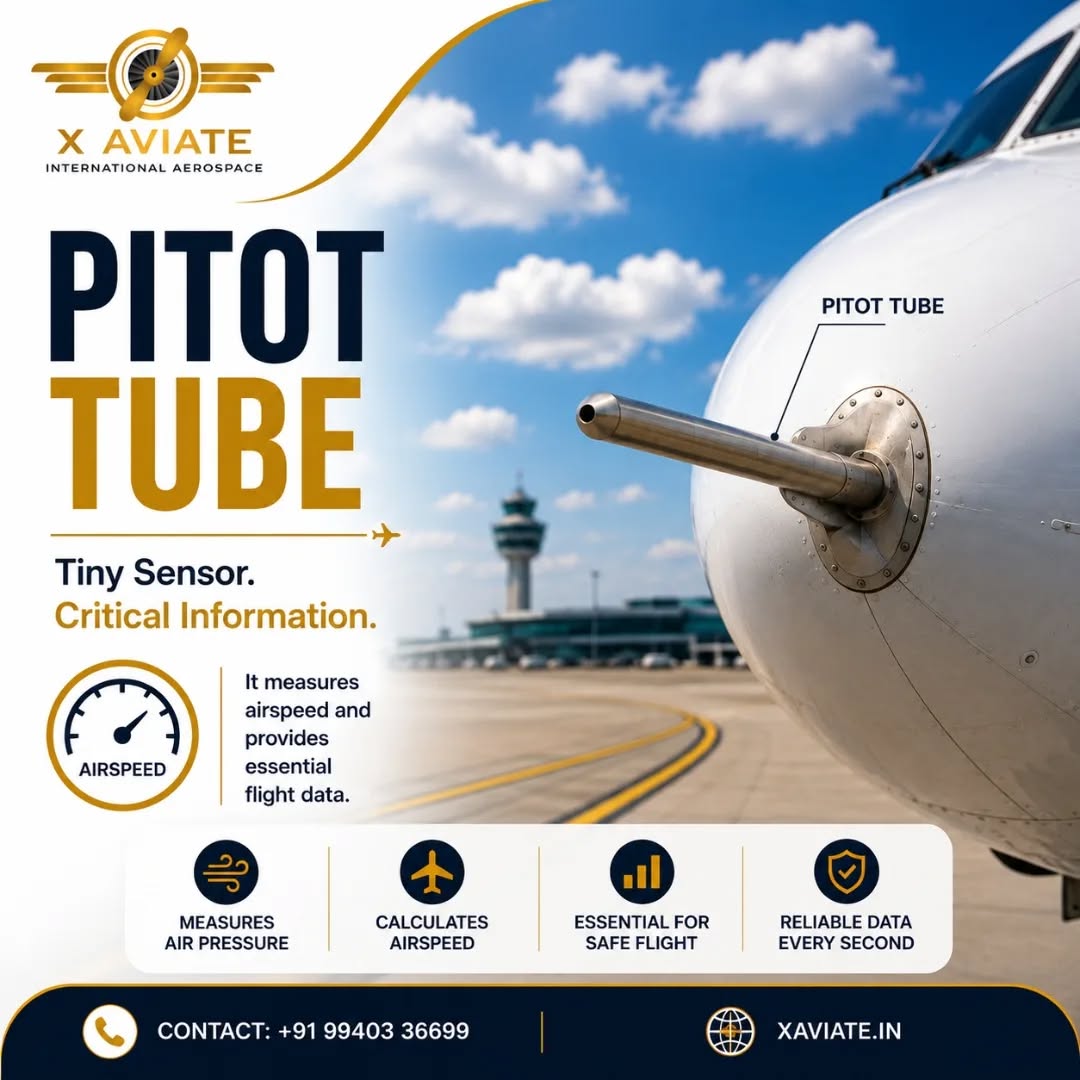
3. The Pitot Tube: Measuring Airspeed
Mounted externally on the fuselage of the aircraft, the pitot tube is a small yet remarkably critical sensor. It measures ram air pressure, which instruments use to calculate the indicated airspeed of the aircraft. Without accurate data from the pitot-static system, flight crews would lose vital situational awareness regarding how fast the aircraft is moving relative to the airmass surrounding it. Maintaining and monitoring these primary instruments forms a major part of our comprehensive pilot training programs.
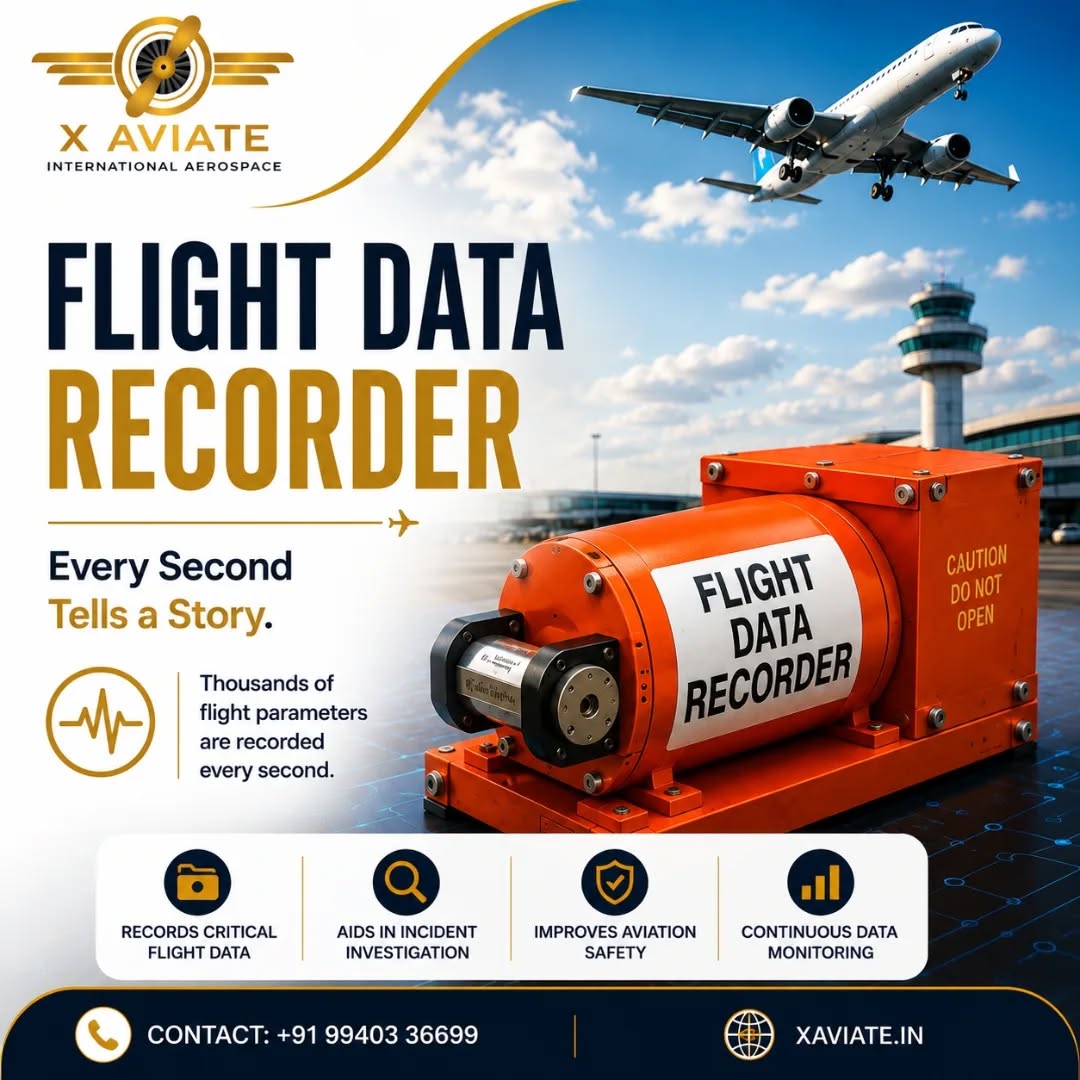
4. Flight Data Recorders and Black Boxes
Safety in modern aviation relies heavily on continuous learning and data analysis. Flight Data Recorders (FDRs), along with Cockpit Voice Recorders (CVRs), capture hundreds of individual parameters every second of a flight. From control surface positions to engine temperatures, this technology provides accident investigators and airline safety officers with the exact information needed to reconstruct events and continually improve global aviation safety protocols.
Why Train with X Aviate International Aerospace?
Choosing the right flight training institution is the most important decision an aspiring aviator will ever make. Located in Chennai, X Aviate International Aerospace offers world-class pilot training, advanced simulator training, and comprehensive career guidance designed to take you from a passionate aviation enthusiast to an airline-ready professional.
Our structured programs combine intensive ground school instruction with practical flight training methodologies. We emphasize not just passing examinations, but cultivating the sharp situational awareness and analytical mindset required in modern commercial cockpits. When you study with us, you are joining a community dedicated to excellence, safety, and leadership in the global aerospace industry.
Start Your Aviation Career Today
If you are fascinated by the intricate mechanics of aircraft, airport operations, and the physics of flight, your professional journey starts right here. Aviation needs dedicated, knowledgeable, and sharp-minded individuals ready to take command of the future.
Take the first step toward your commercial pilot license. Contact X Aviate International Aerospace today to speak with our admissions advisors about our upcoming batches, training schedules, and career pathways.
Call: +91 99403 36699
Website: www.xaviate.in
Frequently Asked Questions
What is V1 speed in aviation?
V1 speed is the decision speed during takeoff. Up to V1, a takeoff can be safely aborted; past V1, the takeoff must be continued even in the event of an emergency.
Why do runways have numbers?
Runway numbers represent the magnetic heading of the runway rounded to the nearest ten degrees, with the final zero omitted, helping pilots navigate accurately.
What is the function of a pitot tube?
A pitot tube is an exterior sensor that measures ram air pressure to calculate the aircraft’s airspeed.
Where is X Aviate International Aerospace located?
X Aviate International Aerospace is located in Chennai, India, offering comprehensive pilot training programs and aviation courses.
How can I enroll in pilot training at X Aviate?
You can contact X Aviate directly via phone at +91 99403 36699 or visit our official website at www.xaviate.in for admission details.