
When you look up at the sky and watch a commercial airliner gracefully ascend, you are witnessing the pinnacle of human engineering and rigorous training. However, behind every smooth takeoff and peaceful landing lies a fundamental question that every aspiring aviator must face: What truly defines a great pilot? Is it the precision of their stick-and-rudder skills, or is it the unwavering trust they inspire in their passengers and crew?
The Dual Pillars of Modern Aviation
At X Aviate International Aerospace, located in Chennai, India, we believe that discussing skill versus trust is a false dichotomy. A truly exceptional aviator must master both. While technical proficiency is non-negotiable—handling complex avionics, executing emergency procedures, and navigating through adverse weather conditions require absolute precision—the psychological and leadership aspects of flying are equally critical.
Skilled pilots can successfully maneuver an aircraft through the most challenging airspace. But trusted pilots make passengers feel fundamentally safe, secure, and cared for from gate to gate. In the cockpit, these two qualities merge to form the complete aviation professional.
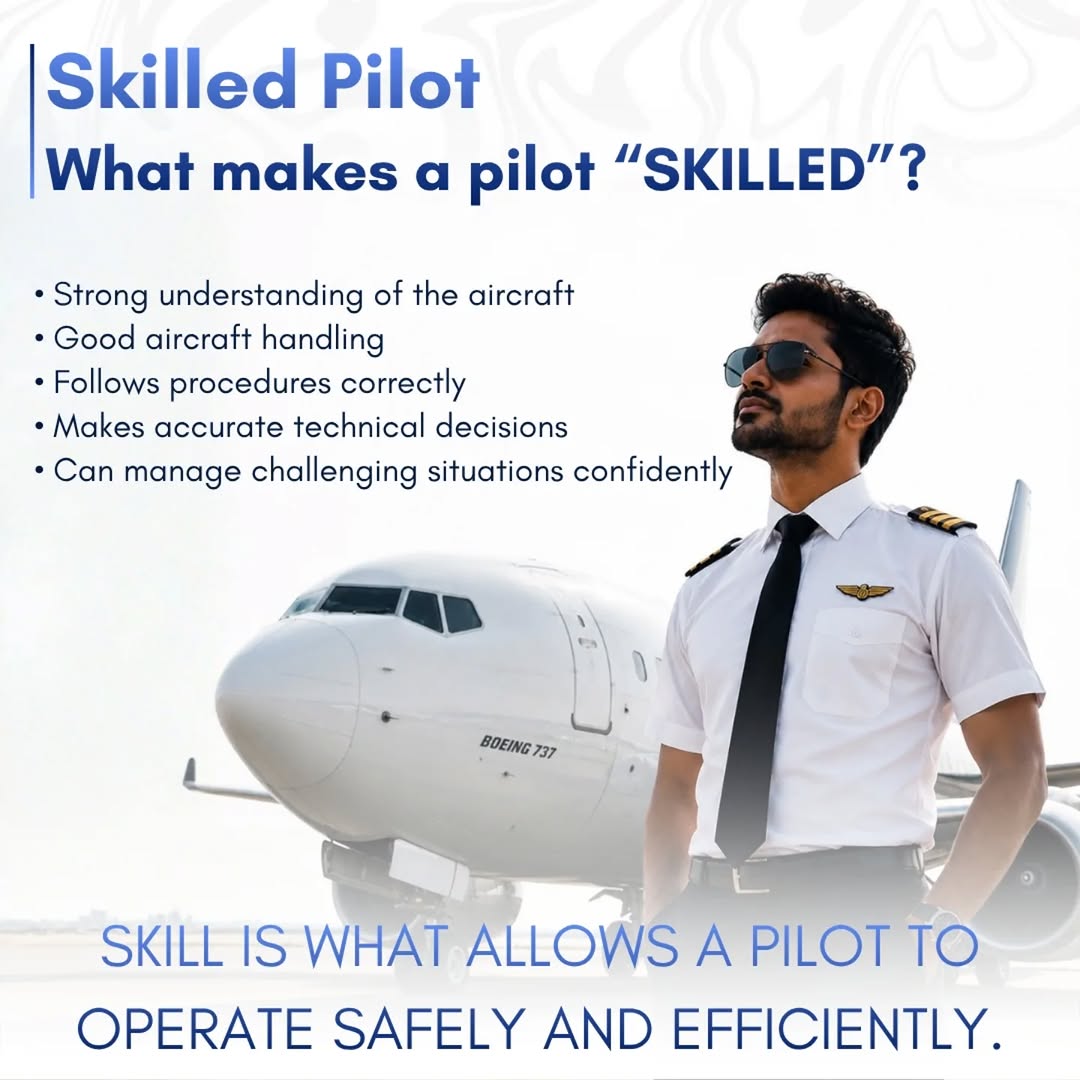
What Makes a Pilot Skilled?
Skill is the technical foundation of every safe flight. It is built through ground school, simulator sessions, flight hours and constant practice, and it shows most clearly when operations become complex or unexpected. A skilled pilot demonstrates:
- A strong understanding of aircraft systems
- Precise, confident aircraft handling
- Strict adherence to procedures and aviation regulations
- Accurate technical decision-making
- Composure when managing challenging situations
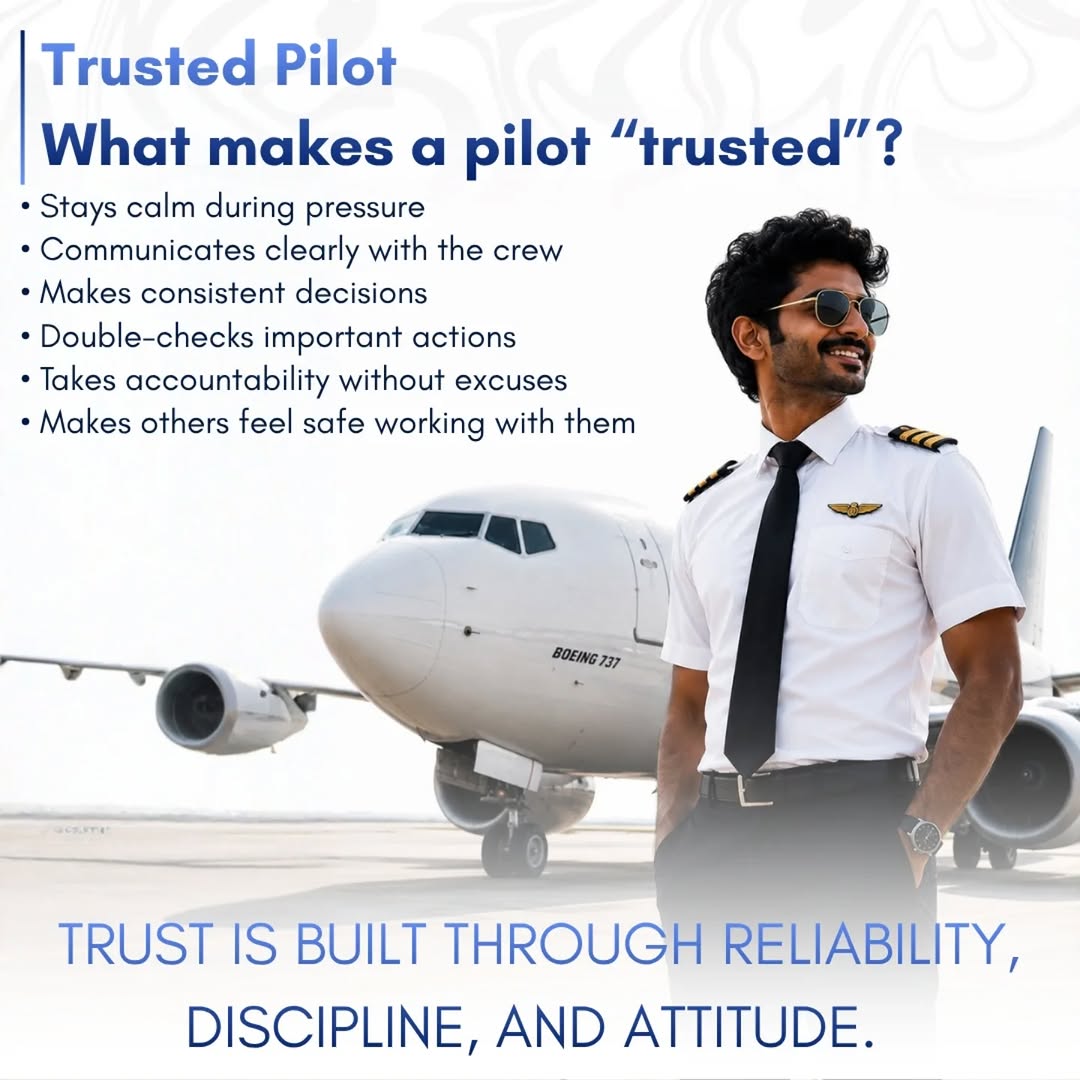
What Makes a Pilot Trusted?
Skill ensures an aircraft is flown correctly; trust ensures that people feel confident flying with that pilot. Trust is earned over time through consistency, professionalism and accountability. Trusted pilots typically show:
- Calmness under pressure
- Clear communication with the crew
- Consistent, responsible decision-making
- Careful attention to detail and safety checks
- Accountability for their actions
- A reliable, professional attitude
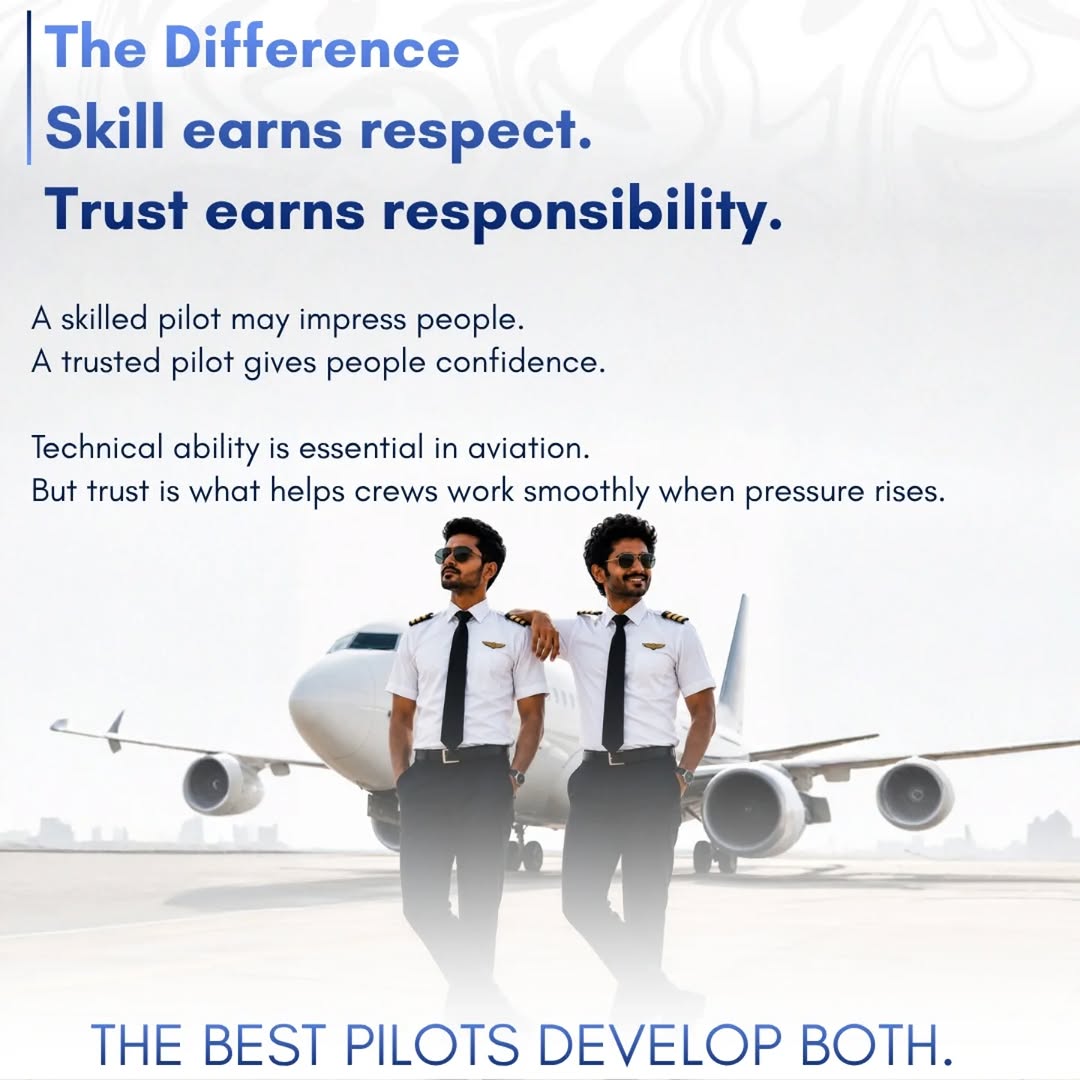
Skill Earns Respect, Trust Earns Responsibility
The two qualities are closely linked but serve different purposes. Skill earns respect: pilots gain it through technical knowledge and performance in flight operations. Trust earns responsibility: it is what allows a pilot to lead a crew, manage critical situations and inspire confidence in passengers and colleagues. Exceptional flying may impress, but trust is what builds long-term credibility and leadership in an aviation career.
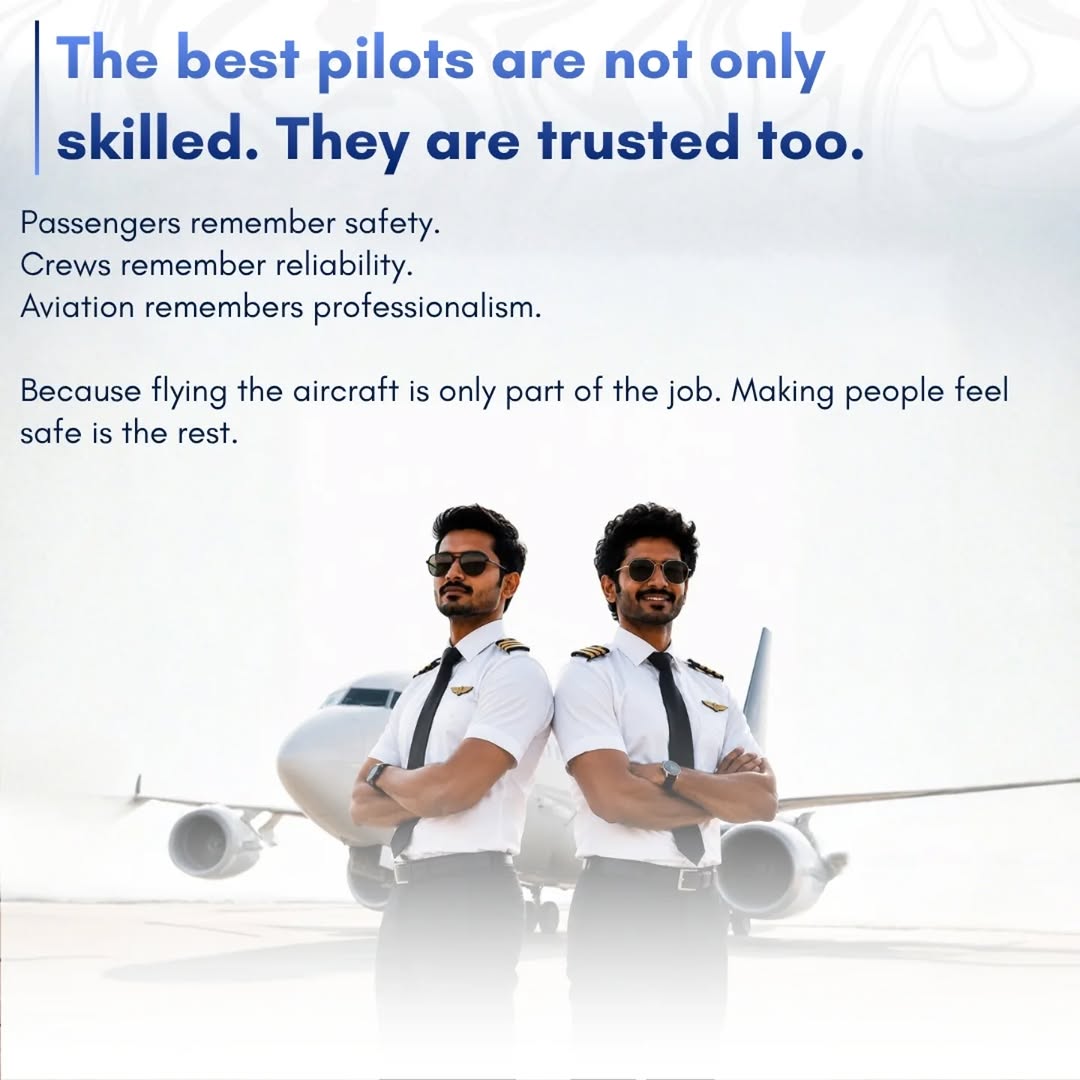
When a pilot is both skilled and trusted, flight safety improves, crew coordination becomes smoother, passengers feel more confident, and the whole operation benefits from a stronger safety culture.
Beyond Technical Knowledge: The X Aviate Training Philosophy
Traditional flight training often focuses heavily on ground school exams, flight hours, and simulator proficiencies. While these are the bedrock of any reputable aviation academy, X Aviate International Aerospace takes a holistic approach to pilot education. Our comprehensive programs integrate several vital dimensions of professional development:
- Discipline and Accountability: Aviation demands absolute adherence to checklists, standard operating procedures (SOPs), and regulatory frameworks set by aviation authorities.
- Effective Communication: Clear, concise phraseology with air traffic control (ATC) and seamless crew resource management (CRM) inside the flight deck prevent misunderstandings and ensure operational safety.
- Confidence Under Pressure: Sudden turbulence, technical malfunctions, or shifting weather patterns require a calm demeanor and decisive action.
- Professionalism and Ethics: A respected captain embodies integrity, always prioritizing safety above schedule pressures.
Why Responsibility Sets Captains Apart
Anyone with sufficient training can learn to operate the flight controls of a modern aircraft. However, the badge of a true captain is responsibility. When you sit in the left seat, you carry the lives of hundreds of passengers, the multi-million-dollar asset of the airline, and the reputation of the aviation industry on your shoulders.
This level of responsibility cannot be taught solely through textbooks. It requires mentorship from seasoned aviation professionals, exposure to high-fidelity simulator training scenarios that test decision-making, and a culture of continuous learning and humility. At our Chennai facility, we instill this mindset into every student from day one.
Shaping the Future of Indian Aviation
India is one of the fastest-growing aviation markets in the world, requiring thousands of qualified, highly competent commercial pilots in the coming decade. Airlines are not just looking for individuals who can pass a checkride; they are searching for leaders who can command a flight deck with authority, empathy, and sound judgment.
As highlighted in our recent community discussions across social media, the debate between skilled and trusted pilots reminds us that aviation is fundamentally a human-centric profession. Technology will continue to evolve, and aircraft will become increasingly automated, but the human element—the trust between the flight deck and the cabin—will never be replaced.
Start Your Journey with X Aviate
Are you ready to transform your passion for aviation into a rewarding, respected career? Whether you are starting from zero flight hours or looking to advance your simulator training, X Aviate International Aerospace offers world-class guidance and structured programs to help you earn your wings.
Join us in Chennai and experience a flight training institution that cares as much about your character as your coordination. Contact our admissions team today to learn more about our commercial pilot training pathways and career counseling services.

Frequently Asked Questions
What makes X Aviate International Aerospace unique?
X Aviate International Aerospace in Chennai combines rigorous technical pilot training and simulator sessions with a strong focus on leadership, discipline, communication, and passenger trust.
Are both skill and trust necessary to become a commercial pilot?
Yes. While technical flying skills are essential to operate an aircraft safely, trust, effective communication, and responsibility are what define a respected captain and ensure passenger confidence.
Where is X Aviate located?
X Aviate International Aerospace is based in Chennai, India, offering professional pilot training programs, aviation courses, and simulator training for aspiring aviators.
How does X Aviate prepare students for airline careers?
We provide comprehensive ground school, advanced simulator training, crew resource management (CRM) education, and career guidance to ensure graduates meet the highest standards of international airlines.