
Navigating the Skies Safely When GPS Fails
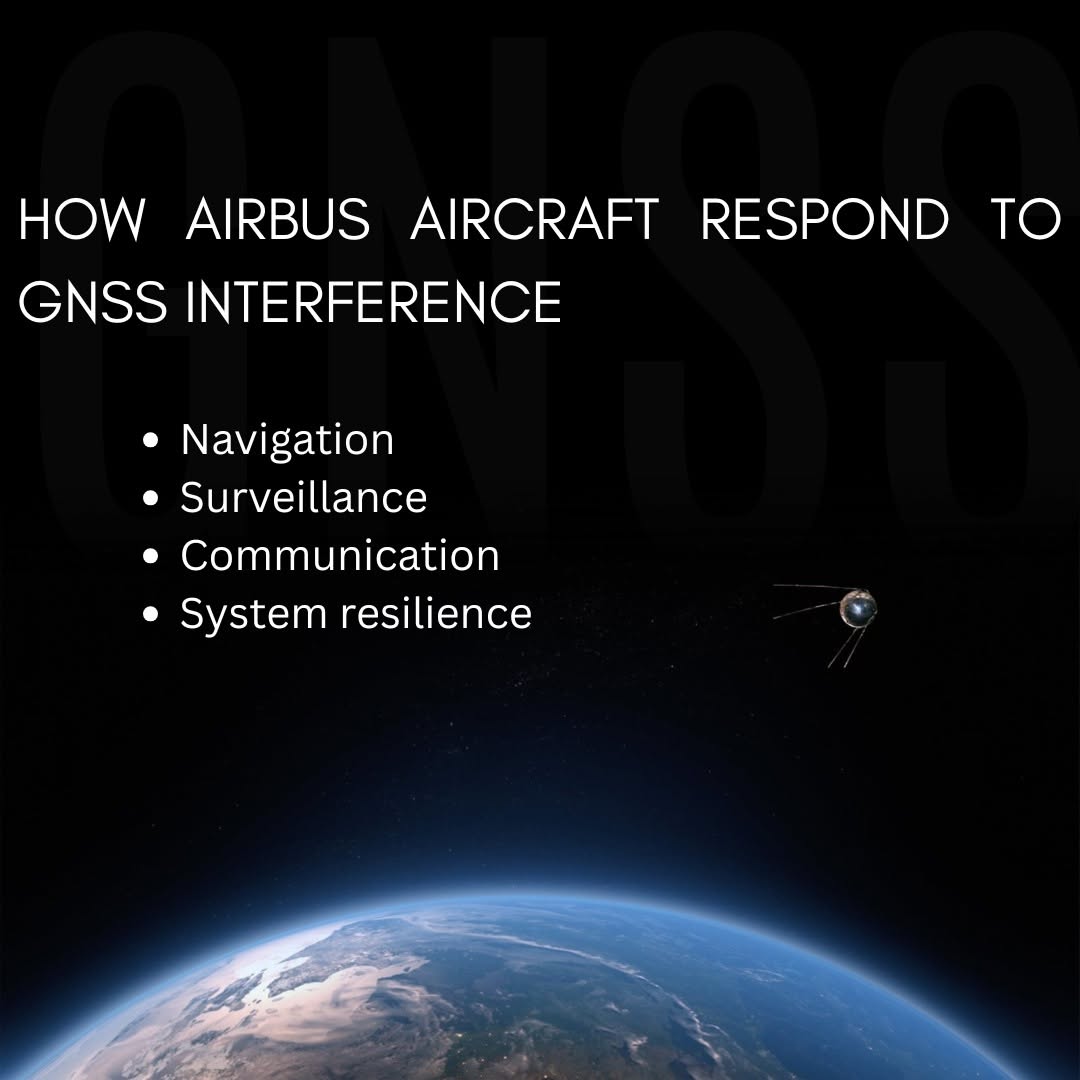
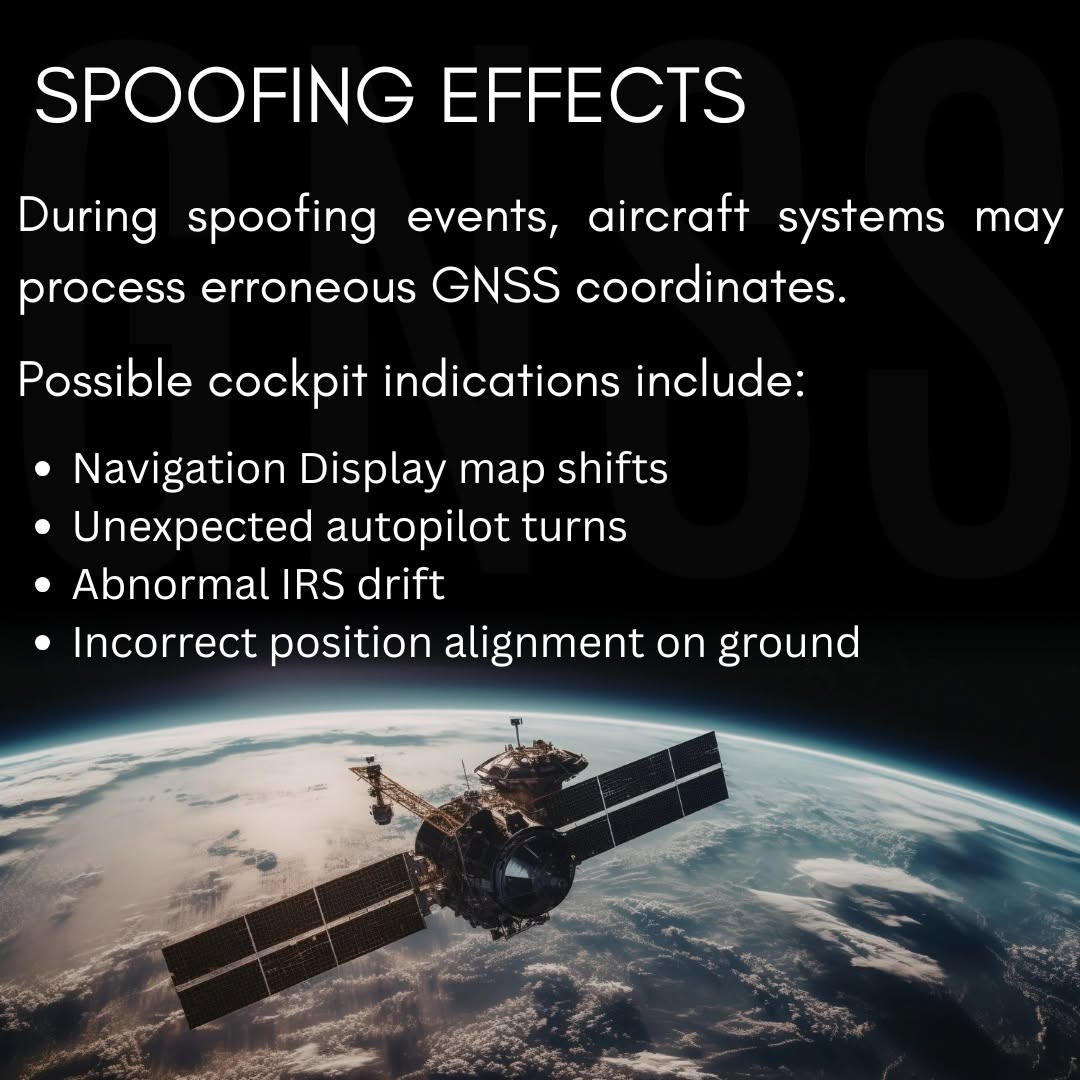
As modern aviation relies increasingly on satellite-based navigation, the threat of Global Navigation Satellite System (GNSS) interference, spoofing, and jamming has grown significantly. When GNSS signals are compromised during flight, cockpit indications can quickly become misleading, presenting a severe challenge to flight crews. At X Aviate International Aerospace, we emphasize that understanding how to identify abnormal Inertial Reference System (IRS) drift or incorrect terrain filtering is no longer optional—it is a critical pilot skill for modern flight operations.
Understanding the Risks of Compromised GNSS Signals
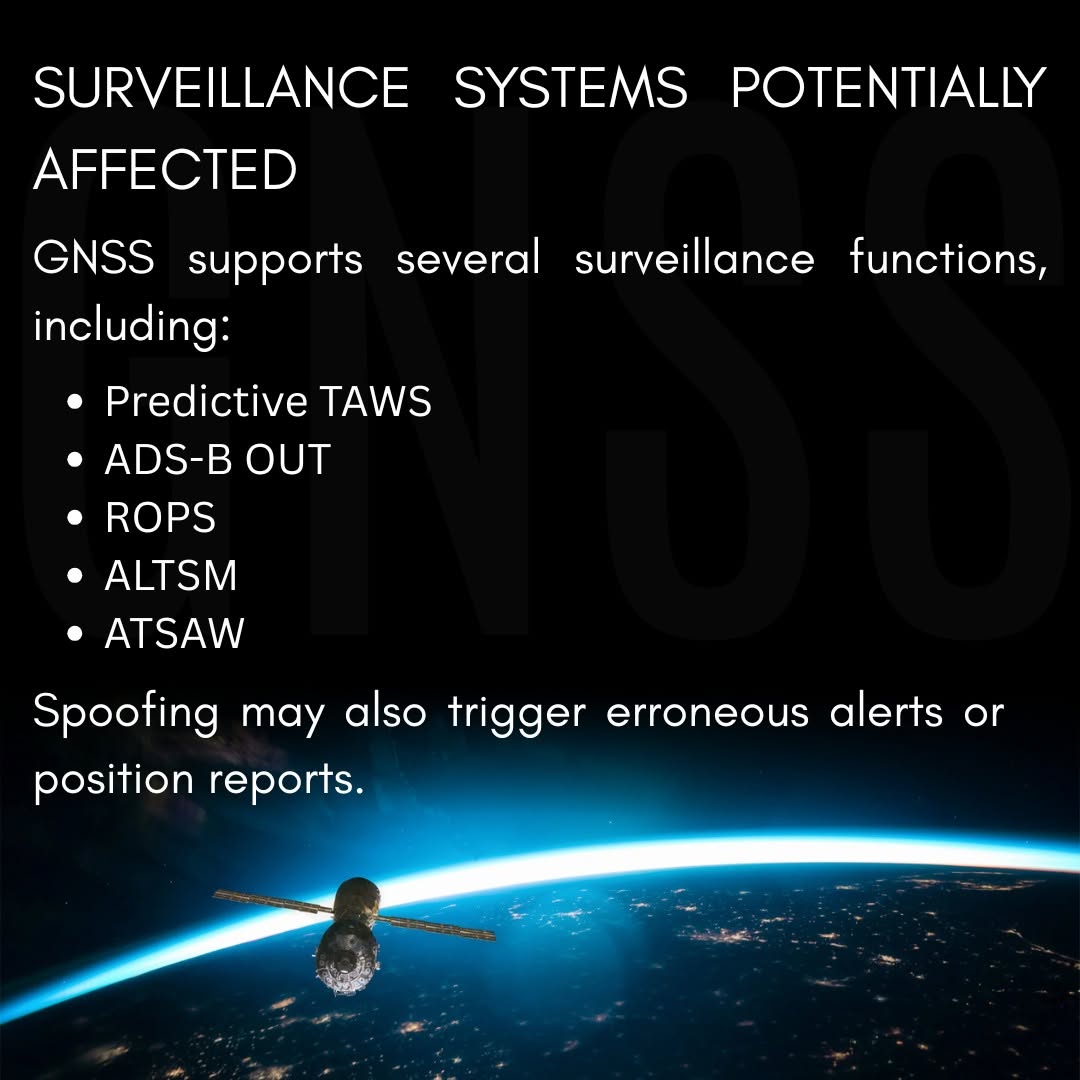
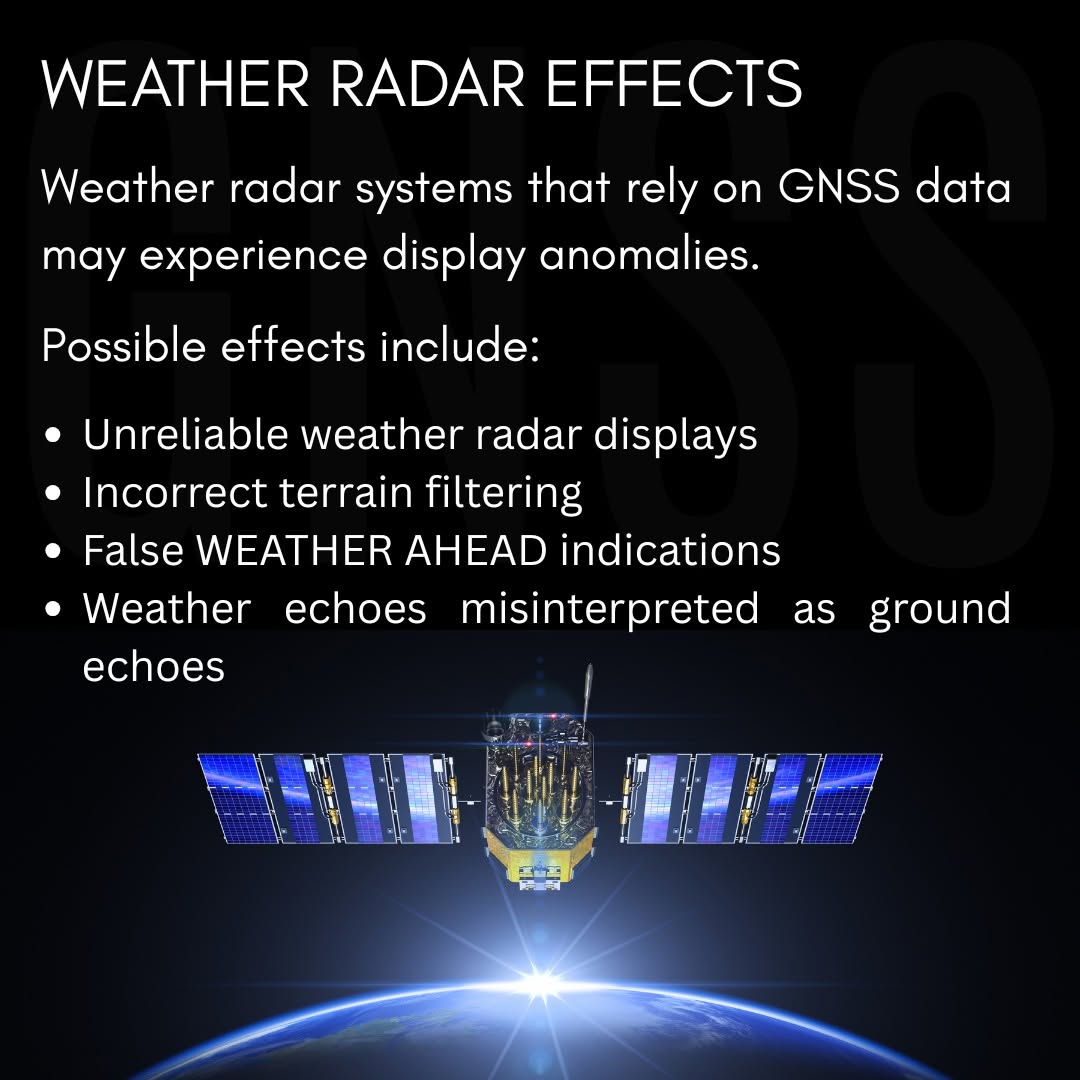
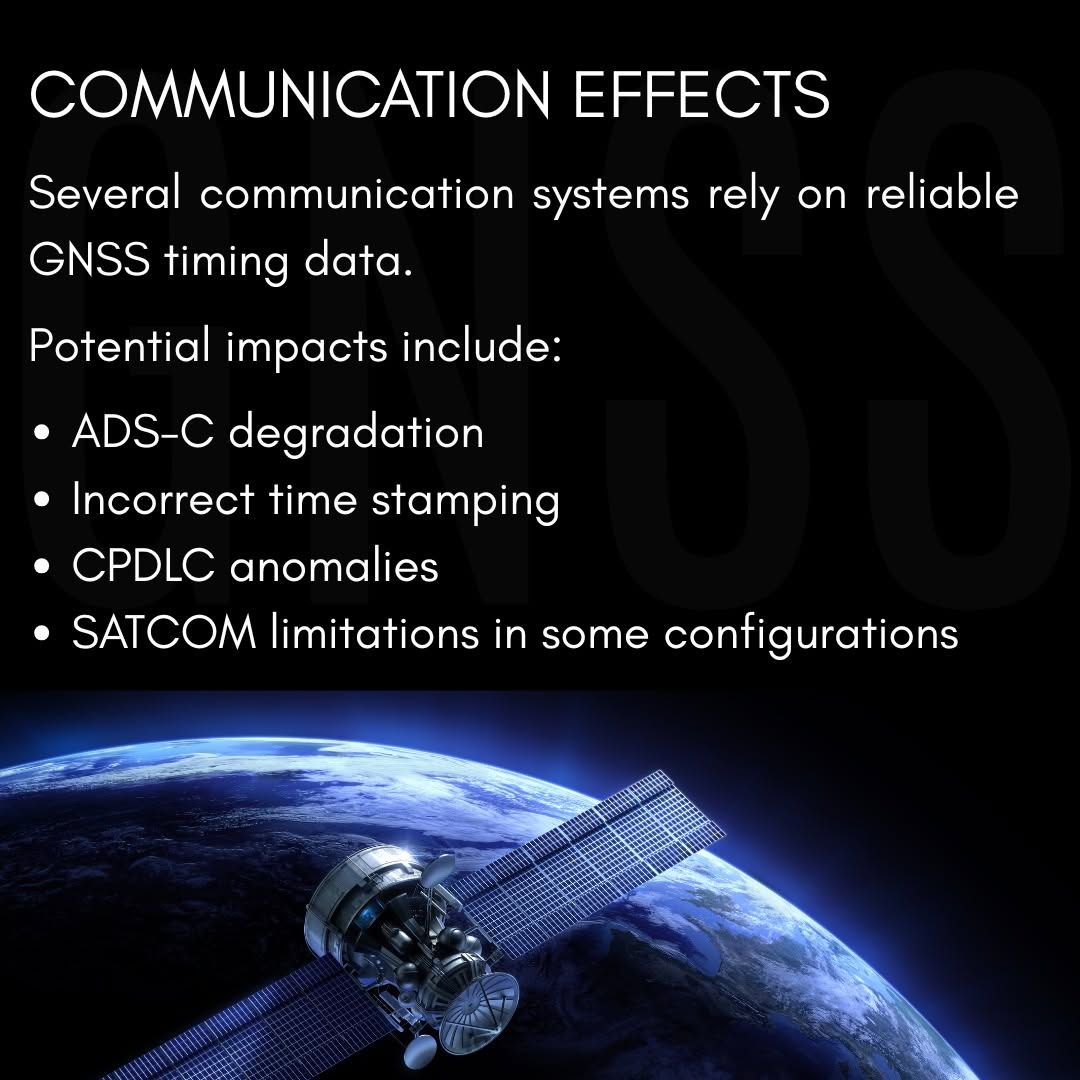
Satellite navigation relies on extremely weak signals broadcast from space, making them vulnerable to intentional and unintentional Radio Frequency Interference (RFI). When these signals are degraded or altered, flight management systems (FMS) may accept erroneous position data before alerting the crew. This can lead to subtle yet dangerous navigation errors, including incorrect terrain database filtering and unverified position jumps.
Aspiring pilots and seasoned professionals training at our Chennai facility learn to look beyond the primary flight display and constantly evaluate the integrity of their data sources. Recognizing the earliest symptoms of signal loss prevents minor navigational discrepancies from developing into critical safety events.
Airbus FCOM Procedures for RFI and Nav Anomalies
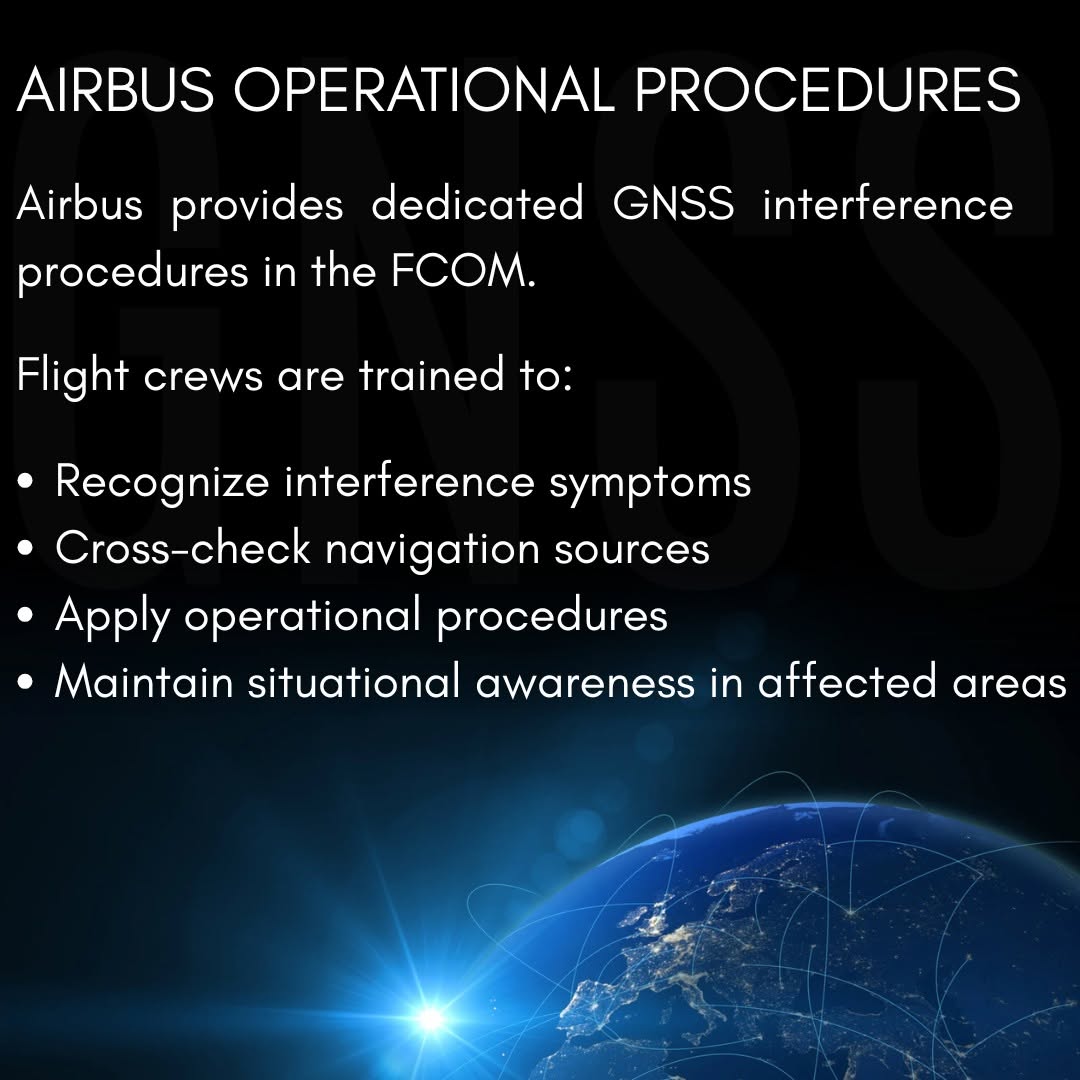
Major manufacturers like Airbus provide dedicated, robust procedures in the Flight Crew Operations Manual (FCOM) to guide pilots through these exact scenarios. To maintain absolute operational safety, flight crews must master three essential steps:
- Recognize symptoms early: Watch for discrepancies between GPS primary messages, unexpected ND (Navigation Display) track jumps, or FMS position disagreement warnings.
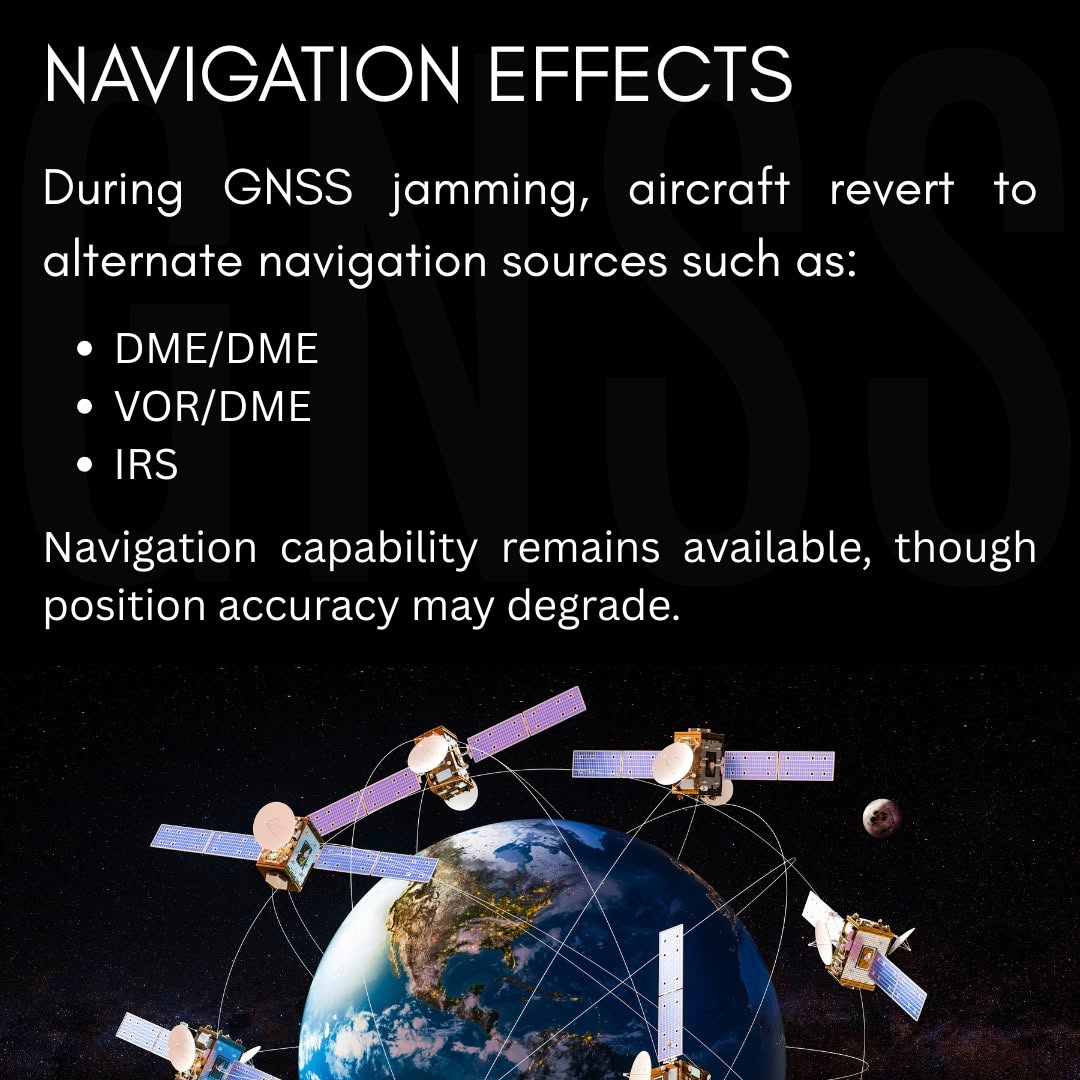
- Cross-check independent navigation sources: Compare your FMS position against raw data from VOR/DME, ADF, and raw inertial data to verify true aircraft coordinates.
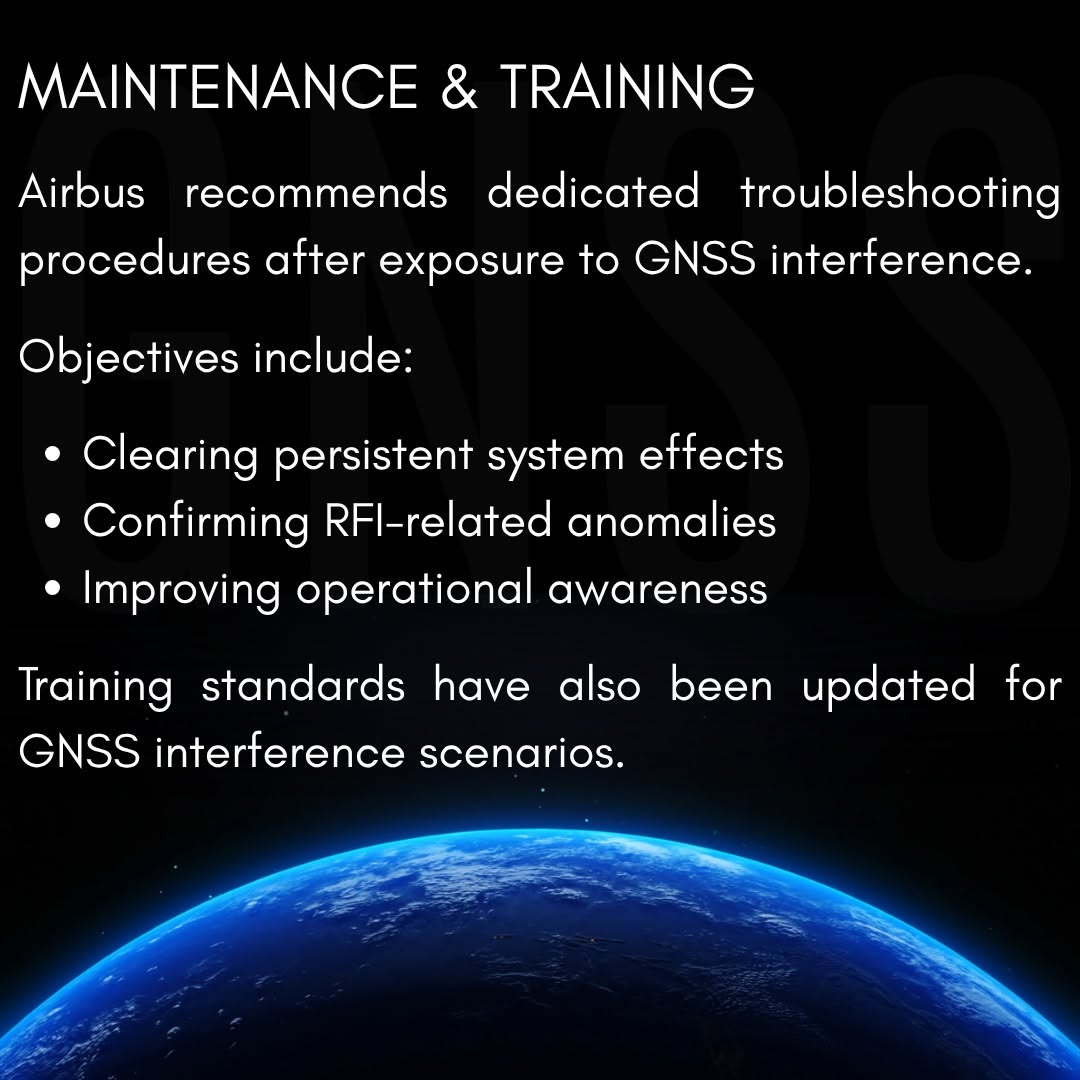
- Apply RFI troubleshooting: Execute recommended FCOM checklists to isolate affected systems, revert to alternate navigation modes, and report anomalies to air traffic control.
Through our comprehensive simulator training programs, X Aviate International Aerospace places students directly into realistic scenarios where they must diagnose and resolve these exact navigation failures under realistic operational pressures.
Looking Ahead: Future Enhancements in Cockpit Navigation
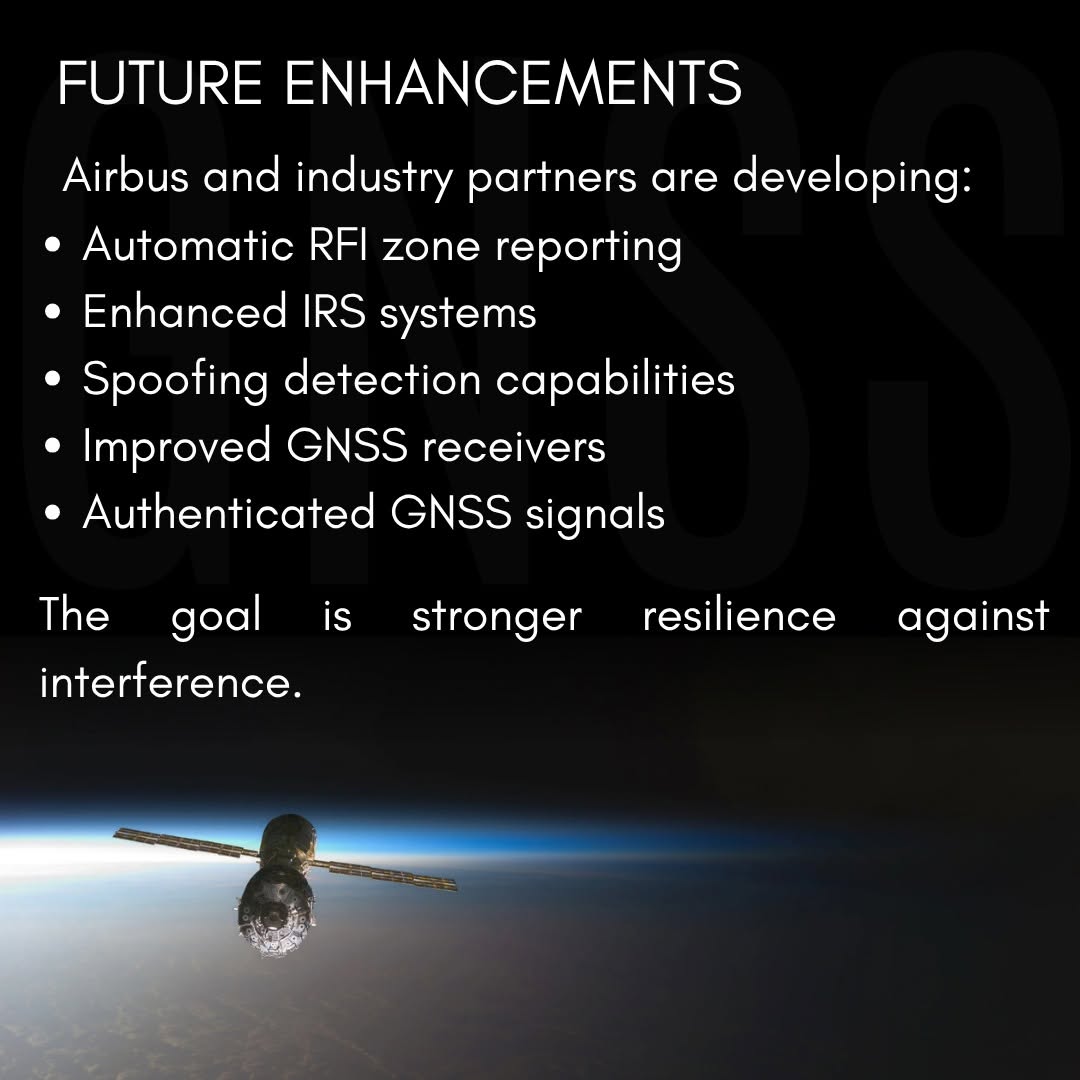
The aviation industry is actively developing advanced technological solutions to counter the growing threat of RFI and GNSS spoofing. Future cockpit enhancements will introduce authenticated GNSS signals—utilizing cryptographic signatures to verify signal legitimacy—and automatic Radio Frequency Interference zone reporting. These systems will allow aircraft to autonomously map jamming sources and share critical safety data in real time with global aviation authorities and fellow airspace users.
Staying ahead of these technological evolutions requires continuous education and rigorous practical training. Whether you are transitioning into a commercial aviation career or sharpening your advanced pilot skills, mastering these competencies ensures you remain a safe, adaptable, and highly employable aviator.
Elevate Your Aviation Career with X Aviate International Aerospace
Navigating complex modern airspace demands world-class training, deep technical knowledge, and an unwavering commitment to safety. At X Aviate International Aerospace, located in Chennai, India, we bridge the gap between foundational flight training and advanced airline-ready competencies. Explore our specialized pilot training programs, aviation courses, and state-of-the-art simulator training today to prepare for the challenges of tomorrow’s skies.
Frequently Asked Questions
What happens when GNSS signals are compromised in the cockpit?
Compromised GNSS signals can lead to misleading cockpit indications, position discrepancies, and incorrect terrain filtering on navigation displays.
How do pilots identify abnormal IRS drift?
Pilots identify abnormal IRS drift by cross-checking FMS position data against independent ground-based navigation aids such as VOR/DME and raw inertial references.
What guidance does Airbus provide for RFI troubleshooting?
Airbus provides dedicated FCOM procedures that instruct crews to recognize early symptoms, cross-check independent nav sources, and execute specific troubleshooting checklists.
What future technologies are being introduced to combat GNSS jamming?
Future enhancements include authenticated GNSS signals with cryptographic verification and automatic RFI zone reporting to map interference sources.
Where can I receive advanced pilot training for navigation anomalies?
X Aviate International Aerospace in Chennai offers comprehensive pilot training programs, simulator training, and education on advanced cockpit procedures.