Understanding High-Altitude Aviation Engineering
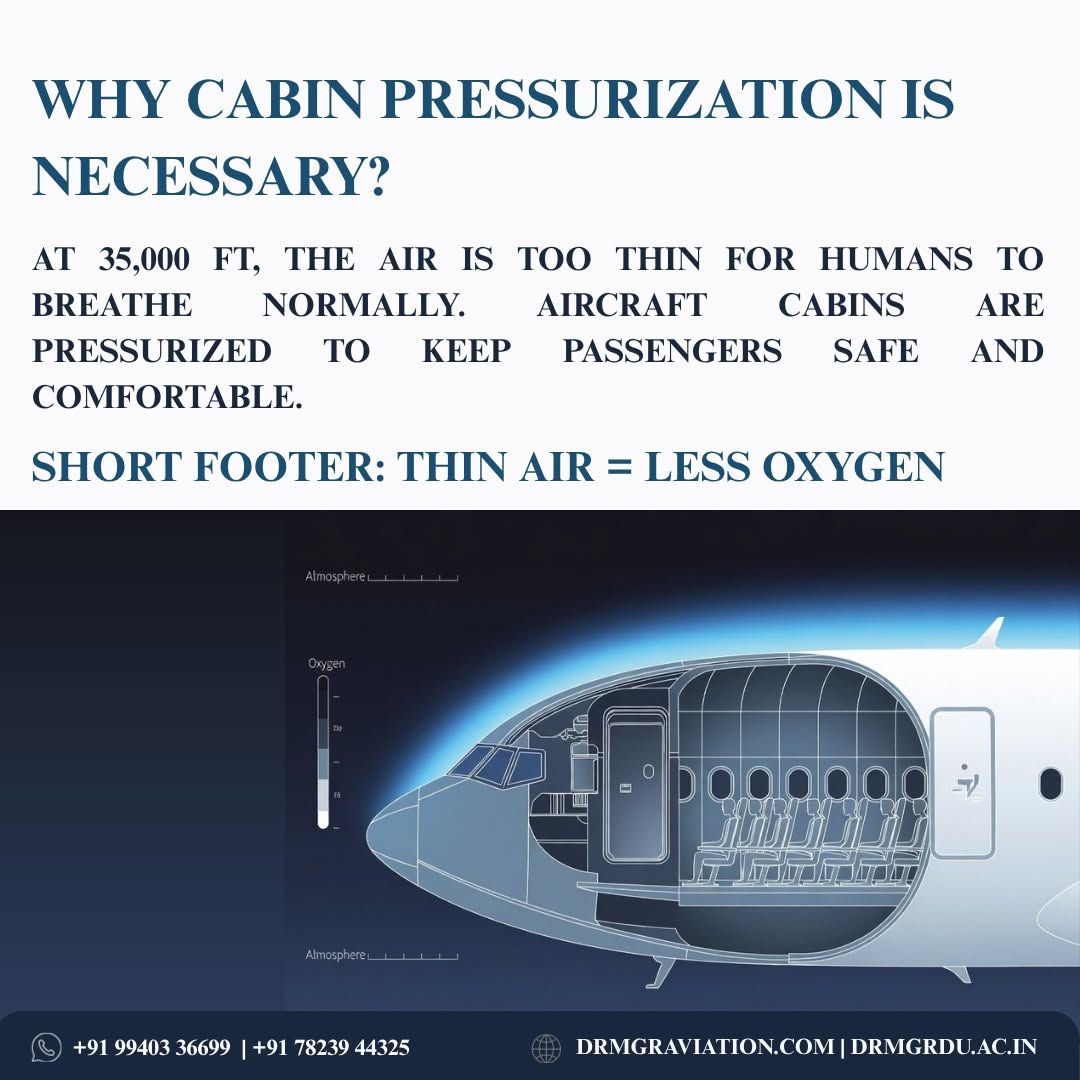
Ever wondered how passengers breathe comfortably at 35,000 feet? At cruising altitudes, the Earth’s atmosphere is thin, and the air pressure and oxygen levels are far too low to sustain human consciousness without supplemental support. For aspiring pilots and aviation professionals training at X Aviate International Aerospace in Chennai, mastering the complexities of aircraft systems is a fundamental step toward a successful career in aviation.
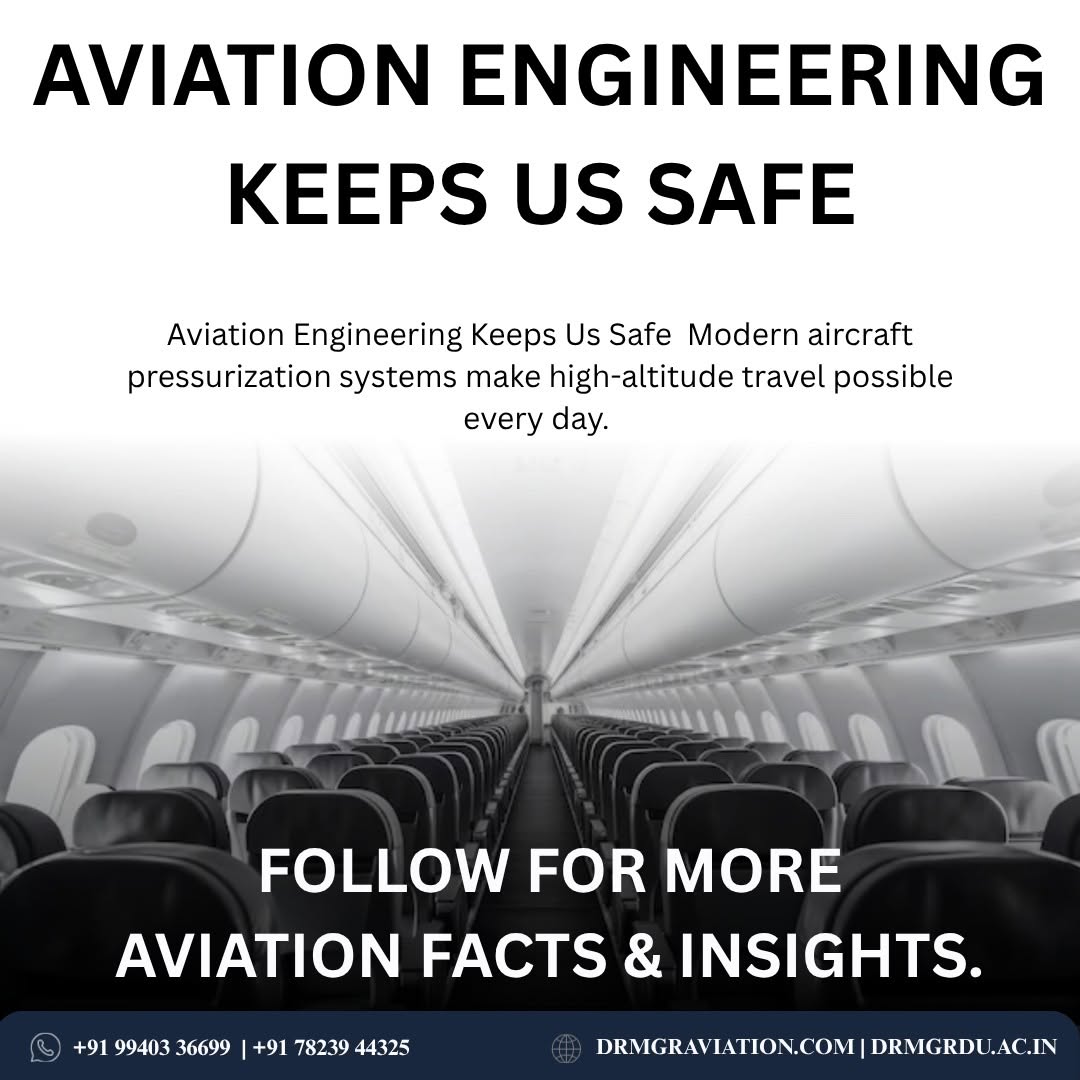
Modern commercial airliners operate at altitudes where ambient air pressure is roughly one-fourth of that at sea level. Without intervention, hypoxia would set in rapidly. This is where sophisticated aviation engineering and advanced aircraft pressurization systems come into play, ensuring a safe, comfortable, and controlled environment inside the fuselage from takeoff to touchdown.
The Mechanics of Cabin Pressurization
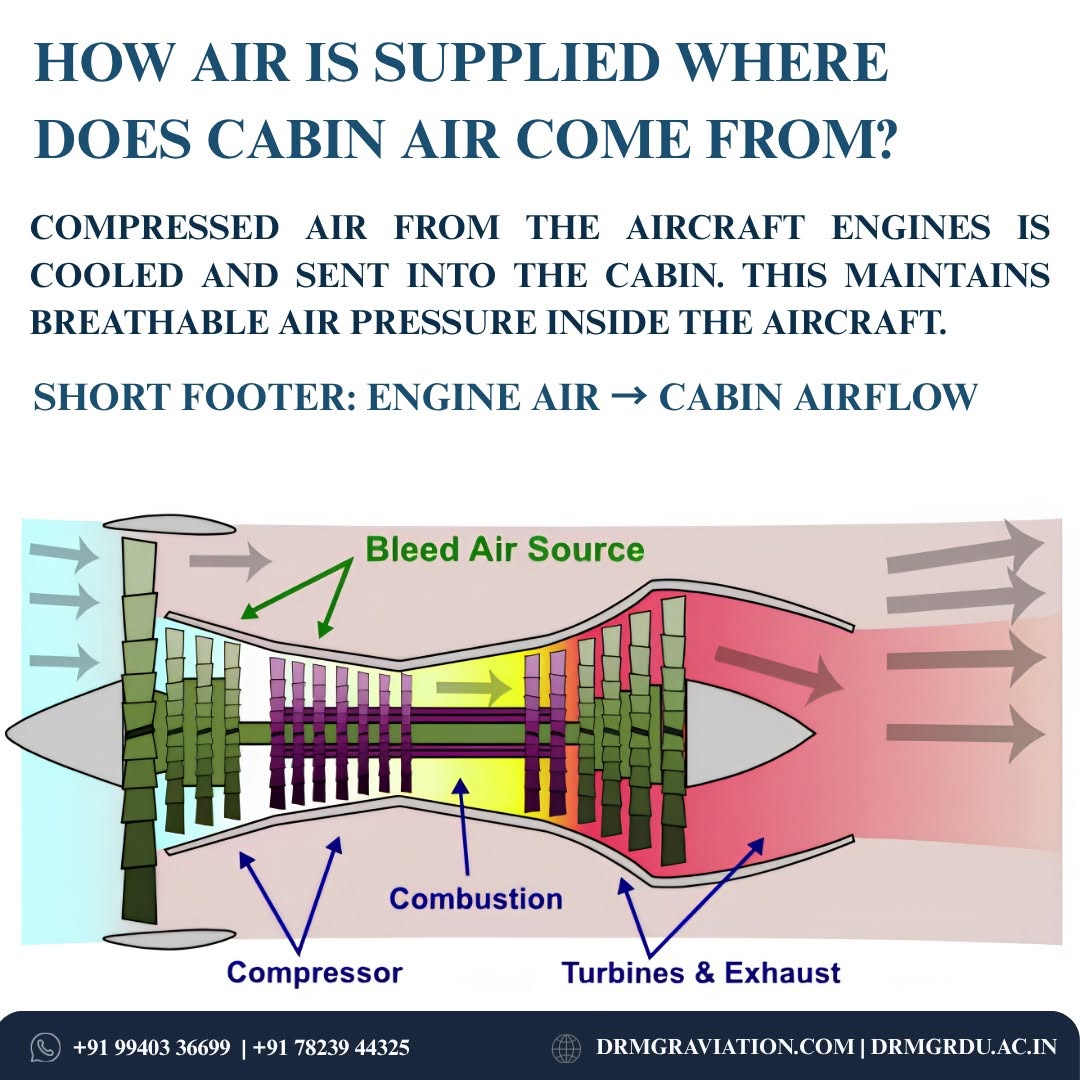
The core principle behind cabin pressurization involves bleeding air from the aircraft’s jet engines, treating it, and pumping it into the sealed cabin at a carefully regulated rate. Here is how the process works step by step:
- Bleed Air Extraction: Fresh air is continuously bled from the compressor stages of the aircraft engines. Because this air is extremely hot, it passes through pre-coolers and air conditioning packs to reduce its temperature to a comfortable level.
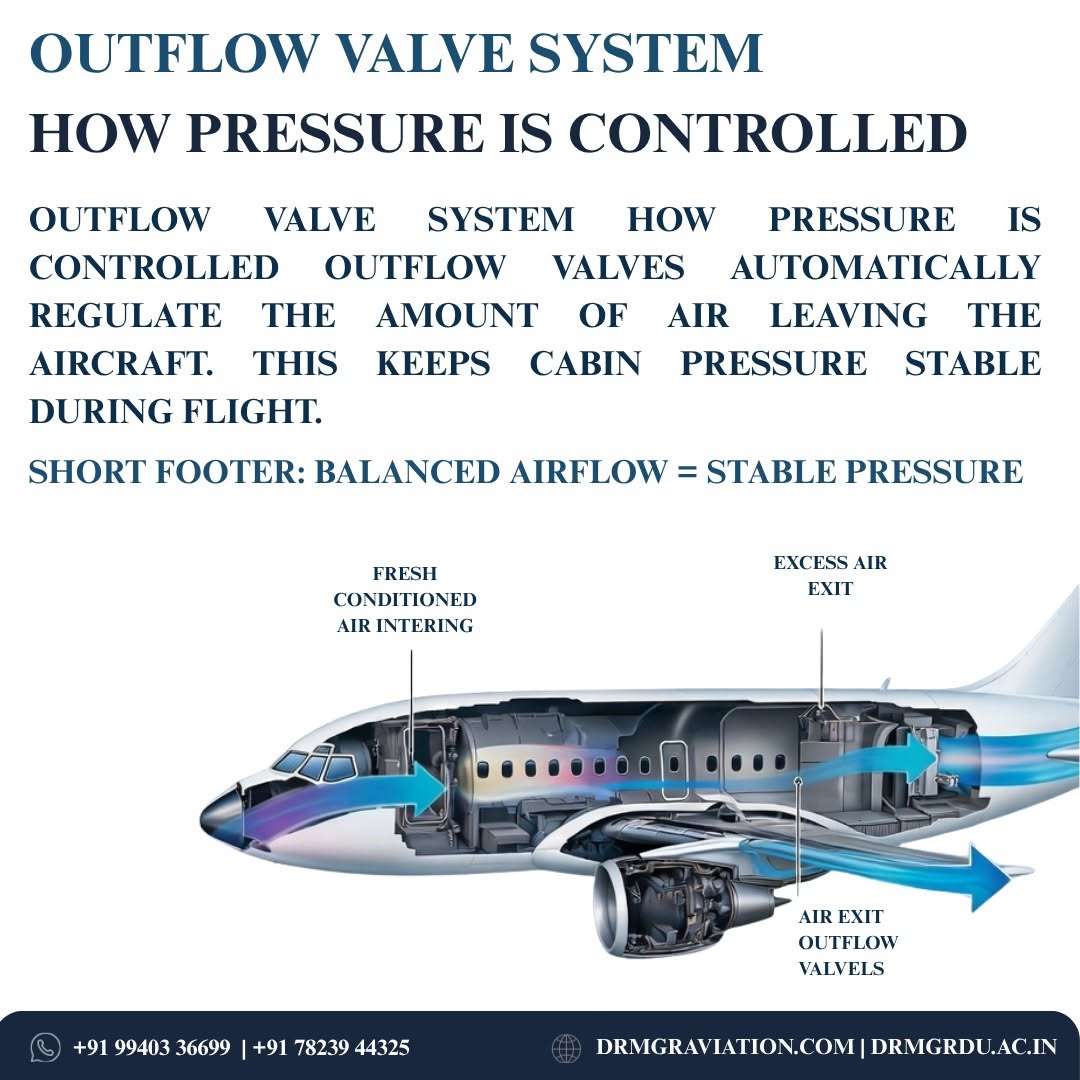
- Air Distribution: The conditioned air is mixed with a percentage of filtered cabin air and distributed throughout the cabin via overhead vents, maintaining a constant supply of fresh oxygen.
- Outflow Valve Regulation: To maintain a stable pressure, air must leave the cabin at the exact same rate it enters. The outflow valve, controlled by an automatic cabin pressure controller, acts as the primary regulator, opening or closing to modulate the internal pressure.
- Cabin Altitude vs. Flight Altitude: Even though the aircraft is cruising at 35,000 feet, the cabin pressure is typically maintained at an equivalent altitude of 6,000 to 8,000 feet, providing a comfortable environment for passengers and crew.
Safety Systems and Redundancy in Modern Aviation
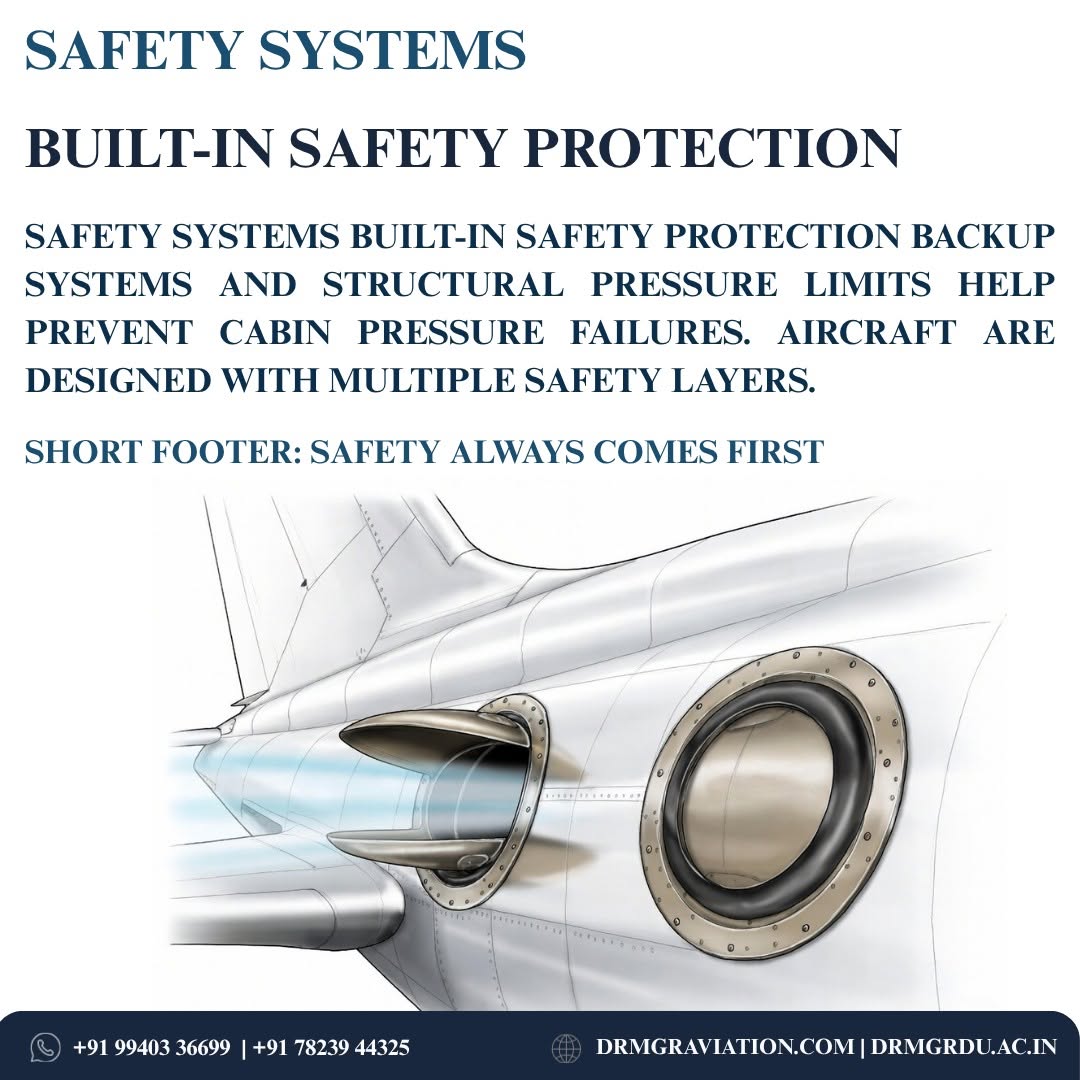
In aviation, safety is always built upon redundancy. Cabin pressurization is no exception. Commercial aircraft are equipped with multiple backup systems to protect everyone on board against sudden pressure loss.
Safety relief valves are installed on the fuselage to prevent the cabin from becoming over-pressurized if the primary outflow valve fails. Furthermore, differential pressure sensors constantly monitor the stress on the aircraft skin, ensuring structural limits are never breached. In the rare event of a rapid decompression, emergency oxygen masks automatically deploy from overhead compartments, providing breathable oxygen until the flight crew can descend to a safe altitude.
The Role of Pilot Training and Aircraft Systems Knowledge
For student pilots and aviation trainees, understanding these technical mechanics goes far beyond passing a written exam. When you sit in the flight deck, your knowledge of environmental control systems, pneumatics, and emergency procedures forms the backbone of safe flight operations. At X Aviate International Aerospace, our comprehensive pilot training programs integrate deep theoretical knowledge with practical insights, ensuring our graduates step into the cockpit fully prepared for any technical scenario.
Whether you are pursuing a career as a commercial airline pilot, an aircraft maintenance engineer, or an aviation manager, grasping how high-altitude technology operates sets you apart in the global aerospace industry. The skies demand precision, dedication, and continuous learning.
Start Your Aviation Career in Chennai with X Aviate
Are you ready to turn your passion for aviation into an extraordinary career? At X Aviate International Aerospace in Chennai, we offer world-class pilot training programs, advanced simulator sessions, and comprehensive career guidance designed to shape the next generation of global aviators. Our curriculum covers everything from fundamental aerodynamics to complex aircraft systems, preparing you for the demands of modern commercial aviation.
Take the first step toward your dream career. Contact our admissions team today to explore our upcoming training batches, tour our state-of-the-art facilities, and discover how X Aviate can help you fly high.
Frequently Asked Questions
Why do aircraft cabins need to be pressurized?
At cruising altitudes of 35,000 feet, the air pressure and oxygen levels are dangerously low for humans. Pressurization maintains a safe, breathable environment equivalent to an altitude of 6,000 to 8,000 feet.
Where does the air inside an airplane cabin come from?
Fresh air is continuously supplied via ‘bleed air’ extracted from the compressor stages of the aircraft engines, which is then cooled, filtered, and regulated before entering the cabin.
What controls the air pressure inside an aircraft?
Cabin pressure is carefully controlled using outflow valves managed by automated cabin pressure controllers, which regulate the amount of air escaping the fuselage.
How does X Aviate International Aerospace prepare students for aircraft systems management?
X Aviate integrates rigorous theoretical training on aircraft systems, pneumatics, and environmental controls with practical flight and simulator training at our Chennai facility.